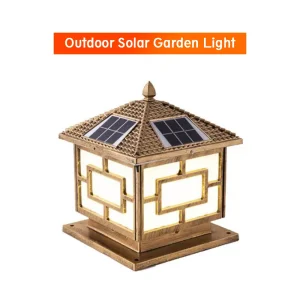
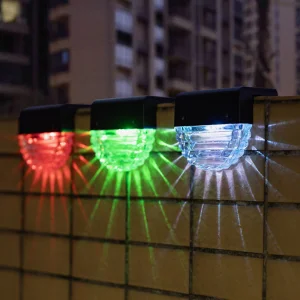
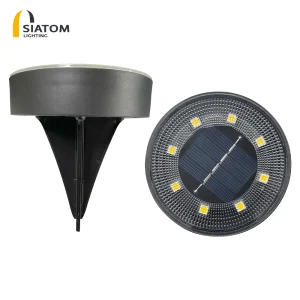
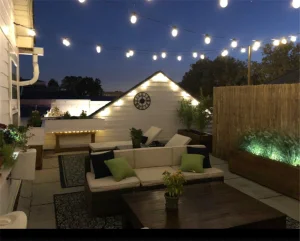
The global shift toward renewable energy is no longer just a trend—it is a mandatory evolution for industrial, commercial, and residential sectors. In 2024, the solar floodlight market has transcended simple lighting to become a pillar of smart city infrastructure. The integration of high-density Photovoltaic (PV) cells with advanced AI-driven Battery Management Systems (BMS) has allowed solar floodlights to match and even exceed the performance of traditional grid-tied HID or high-wattage LED systems.
As governments globally implement stricter carbon neutrality goals, the demand for "Off-Grid" lighting solutions has surged. From the massive mining operations in Australia to the smart parking lots in North America, solar floodlights provide a Zero-OpEx (Operating Expenditure) solution that eliminates wiring costs, trenching, and monthly electricity bills. This white paper analyzes the current landscape and provides a professional guide to selecting the world's most reliable solar lighting manufacturers.
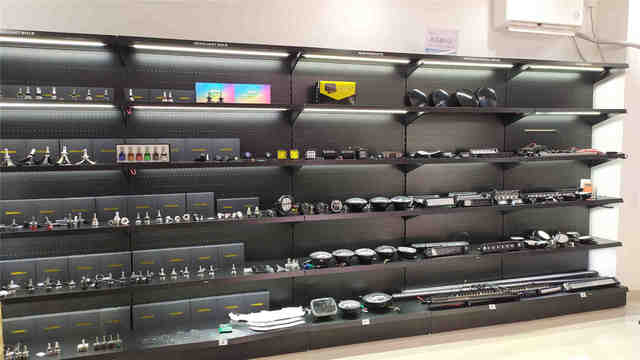
Shenzhen Soluxa Light Co., Ltd. stands as a vanguard in the smart solar garden and floodlighting industry. Specializing in high-performance solutions for global B2B customers, Soluxa is not merely a factory; it is an R&D powerhouse. Their focus encompasses the entire lifecycle of outdoor solar landscape lighting—from the molecular engineering of PV panels to the precision of optical lens design.
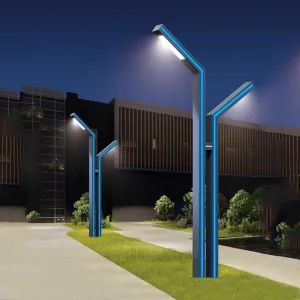
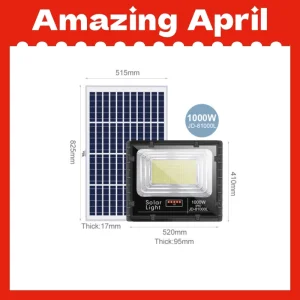
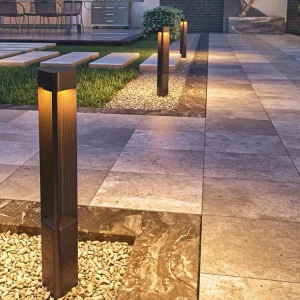
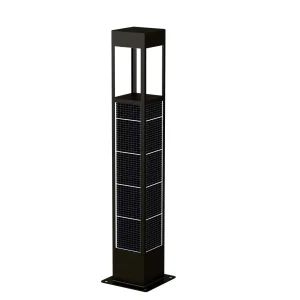
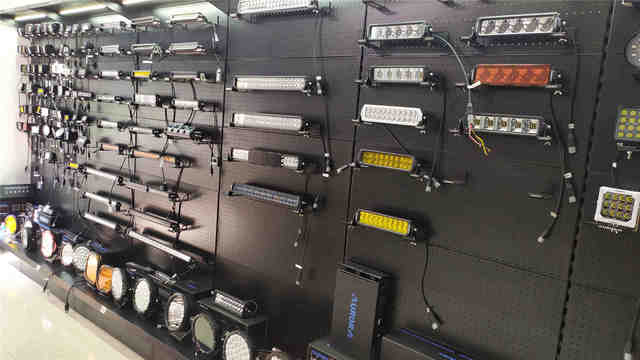
As a premier OEM and ODM supplier, Soluxa addresses the core pain points of the global market: durability in extreme climates, aesthetic integration with modern architecture, and smart connectivity. Their product range includes everything from industrial-grade 300W floodlights to decorative 3M outdoor pole lights, ensuring a holistic approach to outdoor illumination.
Advanced engineering teams focusing on MPPT controller efficiency and adaptive lighting algorithms that extend battery life during rainy seasons.
IP65 to IP68 waterproof ratings combined with die-cast aluminum housing for superior thermal management and corrosion resistance.
Serving North America, Europe, and Southeast Asia with fully certified products (CE, RoHS, FCC) tailored to regional voltage and climate requirements.
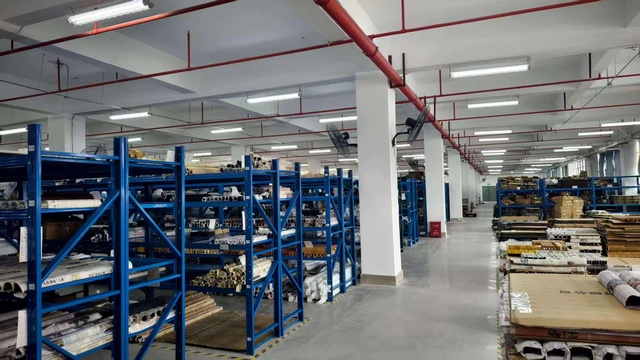
China produces over 80% of the world's solar components, but the "Shenzhen Advantage" goes beyond volume. It is about Supply Chain Vertical Integration. In Shenzhen, the proximity between lithium battery refineries, LED chip fabricators, and aluminum extruders allows for an unprecedented speed-to-market.
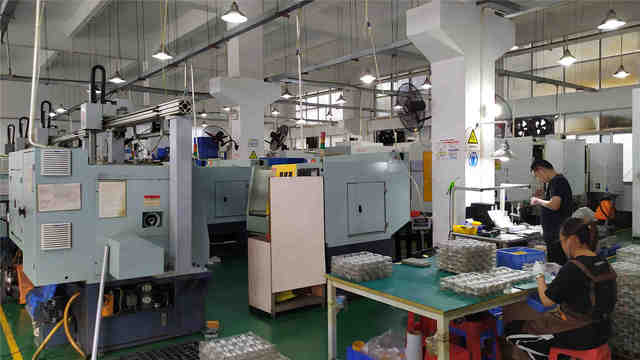
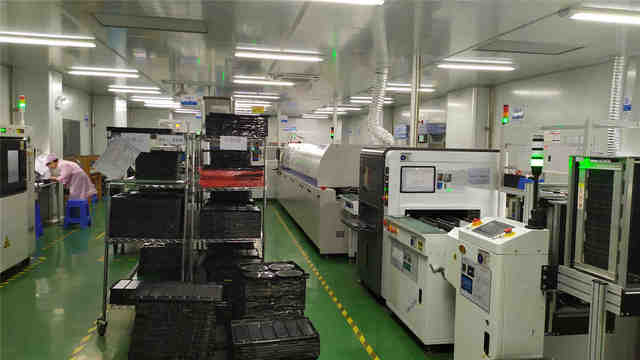
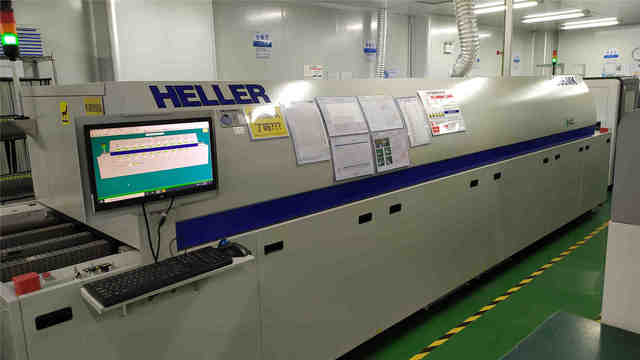
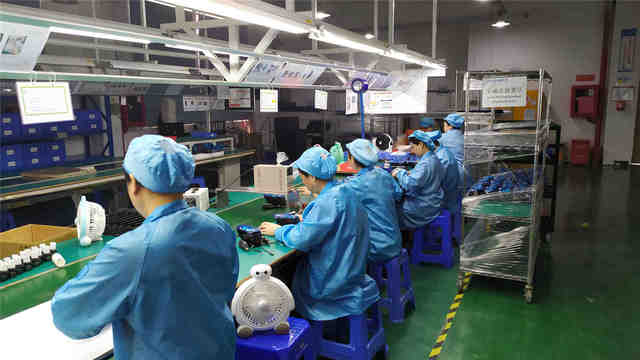
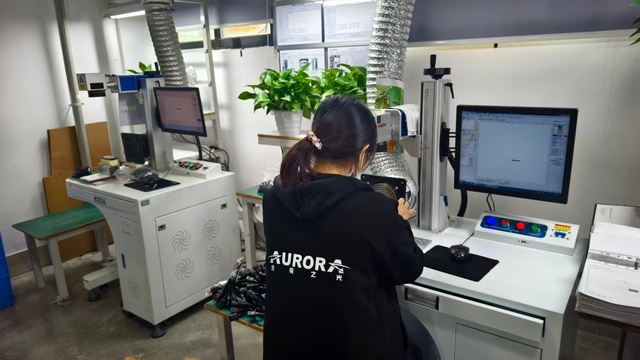
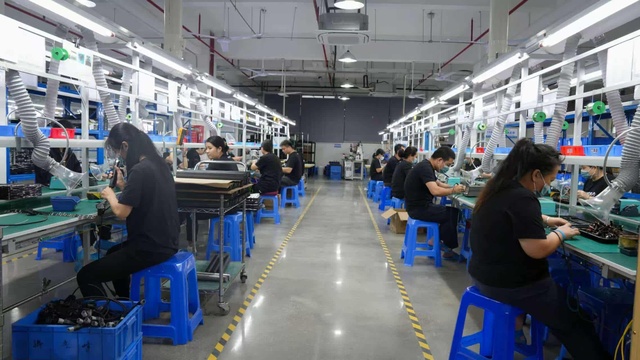
Factories like Soluxa utilize automated SMT lines and robotic assembly to ensure consistency that manual labor cannot match. This results in a "Information Gain" for buyers: more reliable MTBF (Mean Time Between Failures) and significantly lower landed costs. The efficiency of the Chinese supply chain means that high-end features like LiFePO4 (Lithium Iron Phosphate) batteries, which offer 10 years of service life, are now accessible at price points previously reserved for inferior Lead-Acid technology.
When identifying the top 10 players (including giants like Signify, Cree, and specialist leaders like Soluxa), professional buyers evaluate based on four E-E-A-T pillars:
Lighting up massive shipping ports and container yards where grid installation is cost-prohibitive. High-wattage floodlights ensure 24/7 safety.
Enhancing curb appeal with solar pathway and garden lights that integrate with motion sensors for security and ambiance.
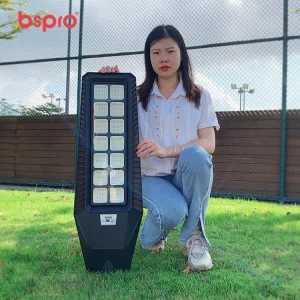
Public parks and square lighting using integrated solar street lights that reduce the municipal carbon footprint and maintenance costs.
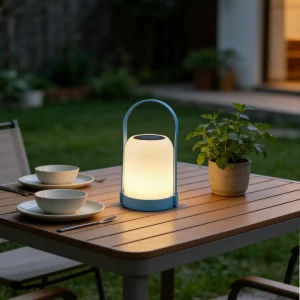
Providing essential lighting for camping, off-grid cabins, and rural villages where the electrical grid has not yet reached.
Perimeter lighting for livestock farms and greenhouses, providing security without the danger of electrical shorts in wet environments.
Hotel facades and retail parking lots utilizing sleek, modern solar wall lights to lower utility bills and highlight brand aesthetics.
The industry is moving toward Bifacial Solar Technology, where panels capture light from both sides, increasing yield by up to 25%. Furthermore, the "Internet of Light" (IoL) is emerging. Future solar floodlights will act as IoT nodes, equipped with 5G small cells, environmental sensors, and AI cameras. At Soluxa, research is already underway to integrate these smart controllers, allowing facility managers to dim or monitor thousands of lights via a single smartphone app.
 Soluxa Light