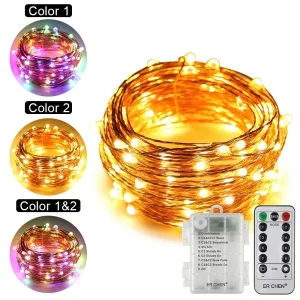
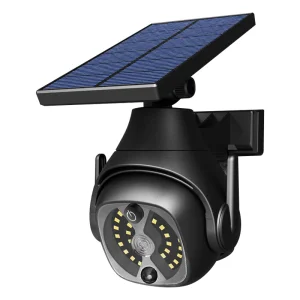
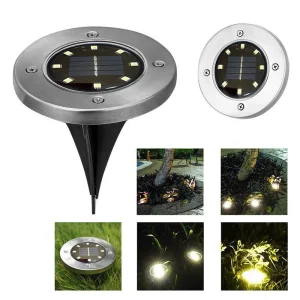
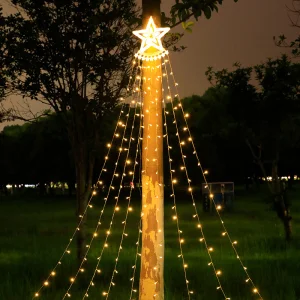
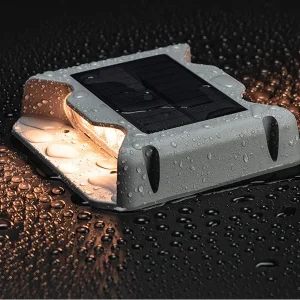
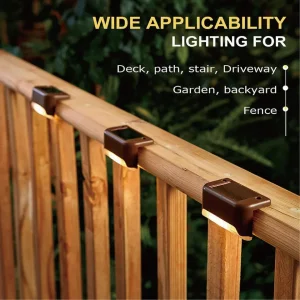
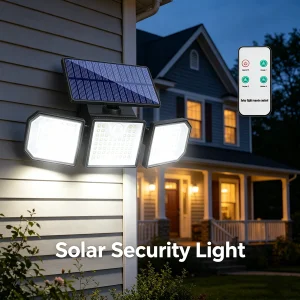
In the current era of urban architectural evolution, Solar Color Changing Lights have transcended their role as mere decorative items to become essential components of smart city infrastructure and high-end residential aesthetics. The global market is witnessing a profound shift from basic illumination to "Experience-Driven Lighting," where the ability to manipulate the color spectrum (RGBW) via solar energy offers unparalleled flexibility without the carbon footprint of traditional wired systems.
For B2B buyers—ranging from landscape architects to municipal procurement officers—the challenge lies in identifying manufacturers who can balance Luminous Efficacy with structural durability. This guide provides a deep dive into the top manufacturers leading this revolution, with a specific focus on the engineering prowess of China's premier solar hubs.
Expertise: Smart Integration & ODM Precision. Soluxa leads the pack with its proprietary AI-driven charging algorithms that maximize battery life in low-sunlight regions. Their RGBW systems feature seamless app control and industrial-grade waterproofing.
Expertise: Ecosystem Interoperability. While high-priced, their solar range offers the best integration with Matter and Zigbee protocols, making them the choice for smart home enthusiasts.
Expertise: Security-First Lighting. Their color-changing path lights are designed to sync with security cameras, providing visual deterrents through specific color triggers.
Expertise: Off-Grid Resilience. Known for portable and rugged solar lighting, their products are favored for eco-tourism and high-altitude landscape projects.
Expertise: Dynamic Scene Modes. Govee has mastered the "Digital Paint" effect, allowing users to create complex color gradients in outdoor string and ground lights.
Expertise: Industrial Grade. Focuses on heavy-duty solar bollards for commercial campuses that require color changes for wayfinding and safety signaling.
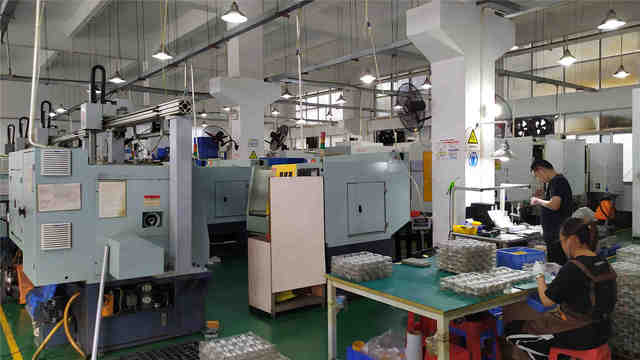
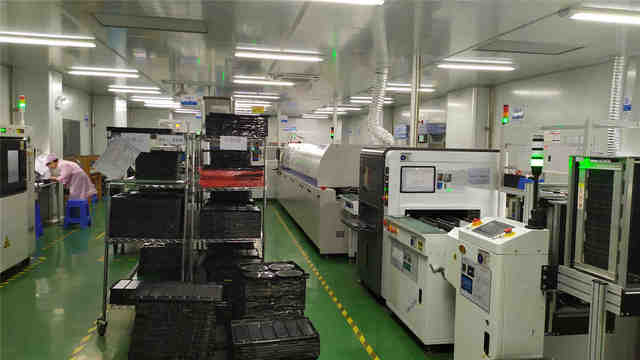
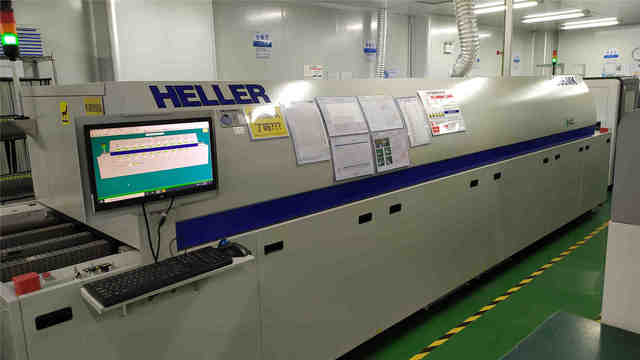
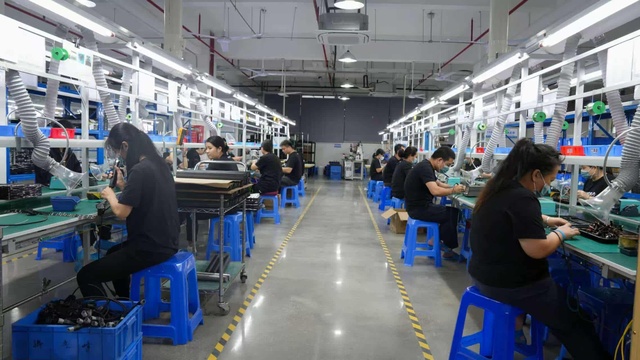
China, particularly the Shenzhen and Zhongshan clusters, accounts for over 80% of the world's solar lighting production. This isn't just about labor; it's about Supply Chain Vertical Integration. From the raw silicon processing for PV panels to the precision injection molding for IP65 housings, every step happens within a 50km radius.
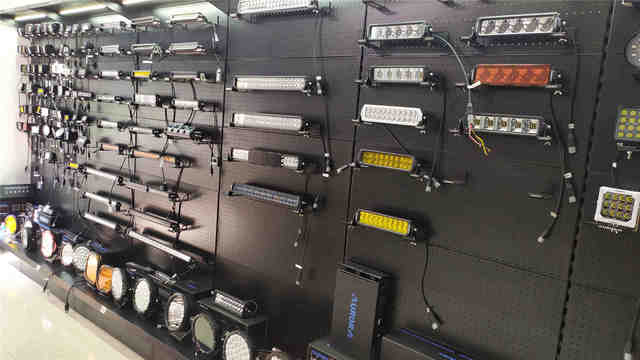
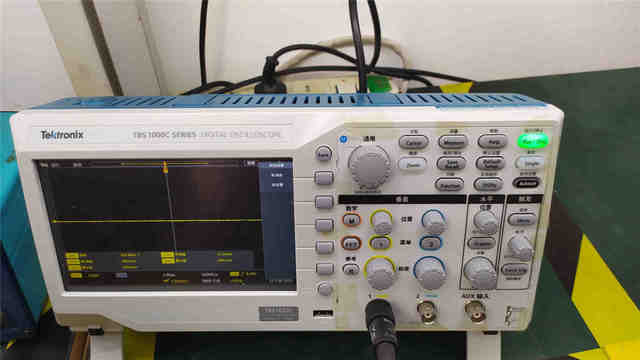
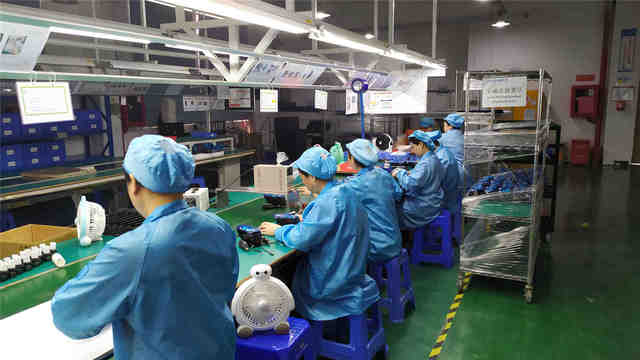
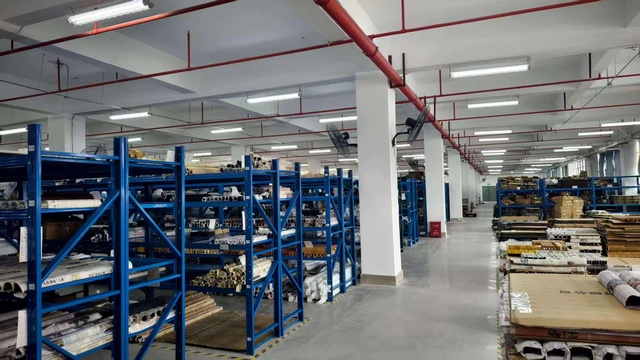
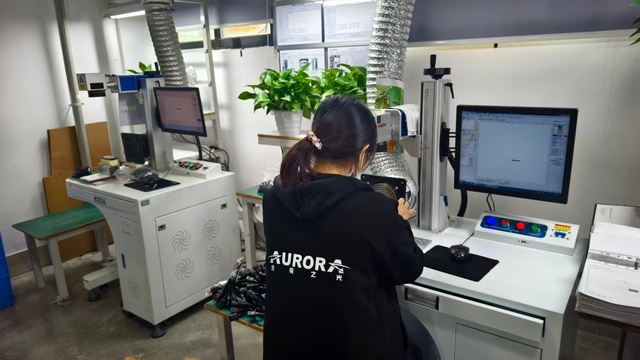
Shenzhen Soluxa Light Co., Ltd. is a professional manufacturer specializing in smart solar garden lighting solutions. As an experienced outdoor solar landscape lighting supplier, the company focuses on the research, development, production, and export of high-quality solar lighting products for residential, commercial, and public outdoor environments.
Their main product range includes solar garden lights, solar pathway lights, solar lawn lights, solar wall lights, and smart control integration. As an OEM and ODM factory, they support brands from concept development to mass production.
Requirement: Emotional ambiance and brand consistency.
Solution: Color-changing lights can be programmed to match hotel branding or create "Sunset" themes that automatically transition from warm white to amber as night falls.
Requirement: Vandal resistance and longevity.
Solution: High-impact polycarbonate housings and anti-theft anchoring systems. Used for holiday-specific color themes (e.g., green for St. Patrick's Day) without manual rewiring.
Requirement: Smartphone control and high CRI.
Solution: Bluetooth Mesh or Wi-Fi connected solar bollards that offer 16 million colors, allowing homeowners to customize their garden via voice commands.
The industry is moving toward Biophilic Lighting Design, where solar lights mimic natural circadian rhythms. Future solar color-changing lights will not just change color for aesthetics but will adjust their spectral output to support local flora and fauna, reducing light pollution while maintaining safety.
Another major trend is the integration of Bifacial Solar Panels in outdoor lights, which capture reflected light from the ground, increasing charging efficiency by up to 25%. Combined with LiFePO4 (Lithium Iron Phosphate) batteries, the new generation of lights can withstand extreme temperatures from -20°C to 60°C, a critical factor for global procurement in diverse climates.
Furthermore, Edge Computing is being integrated into solar controllers. Instead of a central hub, each light makes autonomous decisions on power management based on its own sensor data, ensuring that "critical path" lights stay on longer than purely decorative ones during periods of consecutive rainy days.
 Soluxa Light