Choosing the right locations for solar lights can significantly enhance their effectiveness and longevity. According to a report by the Solar Energy Industries Association (SEIA), properly placed solar lights can improve outdoor safety and security by up to 30%. With this data in mind, one might wonder, “what are the best places for solar lights?”
Renowned solar energy expert Dr. Lisa Green emphasizes, "Strategic placement is key to maximizing solar light efficiency." This highlights the importance of understanding how sunlight interacts with various outdoor environments. Factors such as shade from trees, building overhangs, and local weather patterns play a critical role in solar lighting performance.
While many focus on aesthetics, neglecting the science of placement can lead to underwhelming results. Sometimes, the best locations for solar lights may not be the most obvious. As you explore options, think about practical usage and long-term impact. It’s essential to reflect on these elements to ensure that solar lights serve their intended purpose effectively.
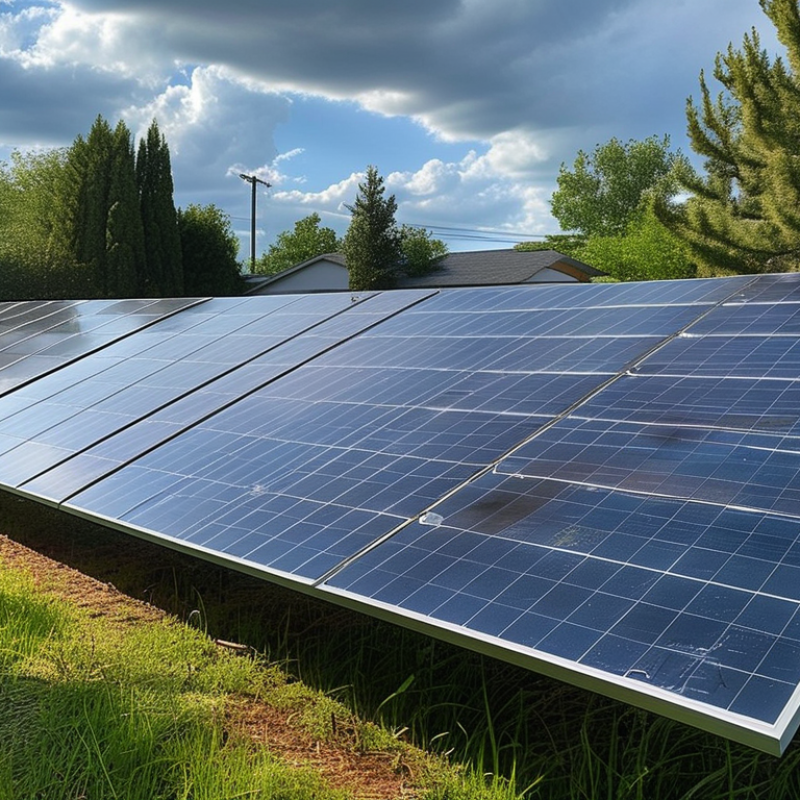
Solar lights are becoming popular for outdoor spaces. They offer numerous benefits beyond simple illumination. One significant advantage is energy efficiency. Unlike traditional lights, solar lights harness sunlight during the day and convert it into usable energy. This reduces electricity costs, making it budget-friendly.
Another benefit is their easy installation. Most solar lights require minimal setup. You can place them anywhere there is sunlight. This flexibility allows you to create a customizable lighting design for your garden or patio. However, the effectiveness of solar lights can fluctuate based on weather conditions. Overcast days might affect their performance.
In terms of safety, solar lights enhance nighttime visibility. They can deter potential intruders and create a welcoming atmosphere. Still, consider the placement carefully. Poor positioning may lead to dark spots. Overall, solar lights offer a sustainable, cost-effective option for outdoor spaces. Embracing solar energy brings not just light, but also peace of mind.
Choosing the right locations for solar lights is crucial for maximizing their effectiveness. Start by assessing the areas that require illumination. Paths, driveways, and patios are common choices. However, don’t overlook gardens and outdoor living spaces. Consider the aesthetic appeal and safety requirements in your planning.
Tip: Evaluate potential sunlight exposure. Solar lights thrive in direct sunlight. Avoid shaded areas from trees or structures. Remember that light placement can significantly tone down or enhance your outdoor space.
Wind and weather are also vital factors. Strong winds might disturb lightweight solar units. Consider using adhesive options or staking them securely. Additionally, certain weather conditions can limit the solar unit’s efficiency. On cloudy days, they gather less energy.
Tip: Regular maintenance will help. Clean solar panels from dirt and debris. This small step ensures consistent performance. Lastly, think about the integration of lighting into your landscape. Smooth transitions with surrounding elements make for a more inviting space.
Proper placement of solar lights can significantly impact energy efficiency. According to the U.S. Department of Energy, optimal positioning can increase light output by up to 30%. This means careful planning is crucial when installing solar lights. They should be placed in areas that receive direct sunlight for most of the day. Shadows from trees or buildings can greatly reduce their effectiveness.
Consider the landscape when choosing locations. Flat surfaces ensure stable placement, while elevated spots may enhance visibility. Some homeowners overlook the angle of sunlight throughout the seasons. For instance, installing lights facing south may yield better results in regions with long summers. The Energy Saving Trust suggests adjusting placements regularly to adapt to seasonal changes, which can enhance performance.
However, not all settings are ideal for solar lights. Some areas may be too shaded or not practical for solar fixtures at all. Homeowners should evaluate every surface before committing. Reflecting on previous installations can reveal common pitfalls. Experimenting with different placements and settings can lead to improved efficiency. The goal is to utilize every ray of sunlight, maximizing the benefits of solar energy.
Installing solar lights can enhance your outdoor space significantly. However, common mistakes can undermine their effectiveness. One frequent error is placing solar lights in shaded areas. Shadows from trees or buildings can drastically reduce their performance. Always choose locations that receive ample sunlight throughout the day.
Another mistake is ignoring the angle of the solar panels. Improper angles can limit sunlight exposure, lowering their energy absorption. Adjusting the panels to follow the sun’s path ensures optimal charging. Make sure the solar panels face south in the northern hemisphere for maximum efficiency.
Tips: Before installation, test your designated spots during sunny hours. A little experimentation can save you time and frustration. Additionally, remember to clean the solar panels regularly to maintain their efficiency. Dust and debris can block sunlight, reducing their overall output.
Optimal light placement can transform your outdoor spaces. Properly positioned solar lights enhance the aesthetics of gardens, pathways, and patios. Imagine walking through a softly lit garden, where every flower stands illuminated. This not only beautifies the area but also highlights key features.
Safety is another crucial aspect. Well-placed solar lights can illuminate dark areas, preventing accidents. They act as guides, directing footsteps safely along pathways. However, improper placement can lead to shadowy spots. You might find yourself stumbling in the dark. This emphasizes the need for thoughtful positioning.
Choosing the right places for lights requires attention. Assess your space during the day. Identify areas that lack natural light. Consider how shadows change at night. Experiment with different placements. Some areas may need more illumination than others. Reflect on the balance between beauty and function. Getting it right can significantly enhance both aesthetics and safety.
: Solar lights utilize sunlight, providing energy efficiency and reducing electricity costs for outdoor spaces.
Most solar lights require minimal setup. Simply place them in areas with adequate sunlight.
Choose locations like paths, driveways, and patios. Assess the sunlight exposure of these areas.
Cloudy or overcast days can reduce their energy gathering, impacting overall effectiveness.
Proper placement enhances visibility at night, but poor positioning may create dark spots.
Regularly clean solar panels of dirt and debris to ensure consistent performance.
Yes, shadows from trees or buildings can limit effectiveness, as sunlight exposure is crucial.
Adjust placements seasonally based on the angle of sunlight for optimal energy efficiency.
Strong winds can disturb lightweight solar units, so secure them properly or use adhesive options.
Evaluate surfaces for shade and practicality before installation. Experimenting with placements can help.
When considering outdoor lighting solutions, understanding the benefits of solar lights is essential. They offer energy efficiency and environmentally friendly options for illuminating gardens, pathways, and patios. To determine what are the best places for solar lights, one must consider factors such as sunlight exposure, proximity to power sources, and desired lighting effect. Proper placement is crucial to maximize energy efficiency and ensure illumination during nighttime.
Common mistakes in installation often include incorrect positioning or installing in shaded areas, which diminishes their effectiveness. To enhance both aesthetics and safety, it's important to strategically place solar lights to highlight walkways while balancing ambiance. By following these guidelines, homeowners can fully benefit from solar lighting in their outdoor spaces, creating a beautiful and secure environment.

Soluxa Light