Solar outdoor lighting is no longer limited to decorative garden lamps. It now supports pathways, entrances, patios, driveways, and remote outdoor areas without nearby electrical wiring. But what are the benefits of solar outdoor lighting, and do they justify replacing conventional fixtures?
Thomas Edison, an influential energy inventor, once said, “I’d put my money on the sun and solar energy. What a source of power!” His words remain relevant, although modern solar lighting requires realistic expectations. A small photovoltaic panel collects daylight, stores energy in a rechargeable battery, and powers an LED after sunset. This design can reduce wiring costs, simplify installation, and avoid trenching across lawns or paved surfaces. It also uses renewable energy during operation.
The practical benefits are easy to see. A pathway light can switch on beside wet steps, while a motion sensor can brighten a dark side gate. Solar fixtures may lower electricity consumption and continue working during some grid outages. They can also support safer movement around homes, parks, signs, and commercial entrances.
Performance is not perfect. Shaded panels, winter weather, dust, and aging batteries can reduce brightness and runtime. A cheap fixture may disappoint after one rainy season. Careful placement matters. Buyers should check battery capacity, lumens, weather resistance, replacement parts, and local sunlight conditions. This guide examines the evidence, installation realities, and long-term value behind solar outdoor lighting, so readers can choose practical performance over attractive promises.
What Is Solar Outdoor Lighting and How Does It Work?
Solar outdoor lighting uses sunlight to produce and store electricity for nighttime illumination. A small photovoltaic panel captures solar energy during the day. The charge controller sends that energy to a rechargeable battery. After dusk, a light sensor activates the LED fixture automatically. No permanent wiring is required. This design can illuminate paths, patios, driveways, and garden areas.
A typical system includes a solar panel, battery, LED module, controller, and sensor. LEDs consume relatively little power, helping the battery last through the evening. In practical installations, placement matters more than many buyers expect. A panel under tree branches may charge poorly, even on warm days. Dust, snow, and incorrect angles can reduce performance. I once assumed brighter sunlight always meant longer lighting, but battery condition also matters.
Cold weather can lower battery capacity, while several cloudy days may shorten operating time. Motion sensors can conserve energy, although overly sensitive settings may activate the lamp unnecessarily. Check the panel regularly and replace aging batteries when runtime drops sharply. Solar lighting is convenient, but it is not magic. Its reliability depends on sunlight, maintenance, local weather, and realistic expectations.
What Are the Main Types of Solar Outdoor Lights?
Solar outdoor lighting offers practical illumination without trenching cables or increasing household electricity use. However, the best results depend on choosing the right light type for the location, weather, and task.
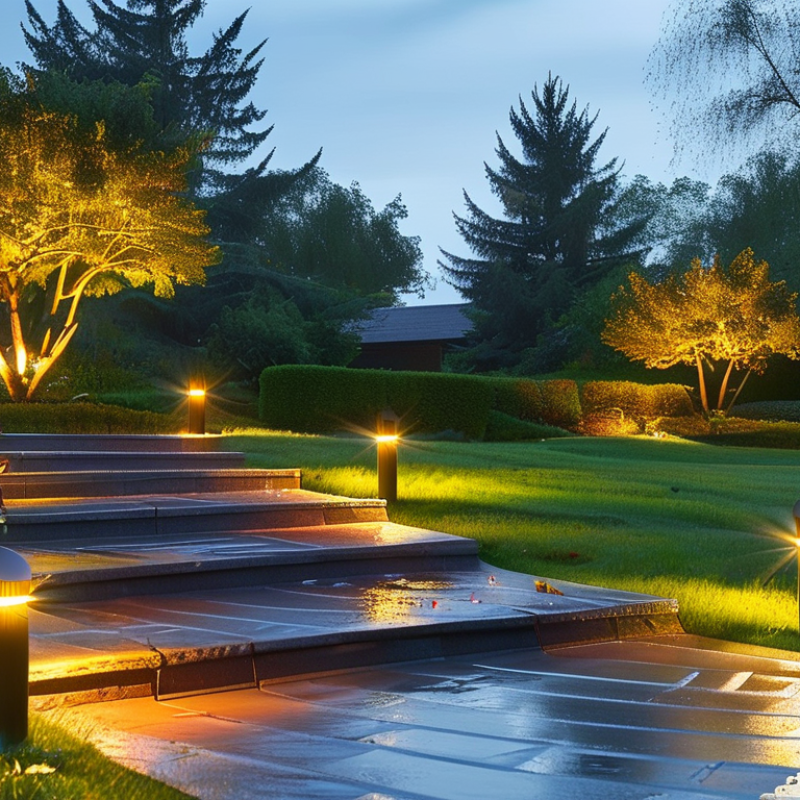
Solar path lights are designed for walkways, steps, and garden borders. Their soft downward glow helps people see changes in ground level without creating harsh glare. Solar spotlights provide a narrower beam for trees, signs, walls, or architectural details. Adjustable heads are useful because the sun and shadows change throughout the year. For larger areas, solar floodlights spread brighter light across driveways, entrances, and open yards. Motion sensors can reduce wasted energy, although cold weather may shorten operating time.
Solar wall lights work well beside doors, garages, and outdoor seating areas. Some use motion detection, while others remain dim and brighten when movement occurs. Solar post lights can mark gates, fences, and deck edges. Decorative string lights add atmosphere, but they usually provide less useful visibility than task lighting. Choose carefully.
During installation, place each panel where it receives several hours of direct sunlight. Nearby trees, walls, or seasonal shade can weaken performance. I once assumed a bright summer location would work all year, but winter shadows proved otherwise. Battery capacity, waterproof construction, replaceable parts, and light color also matter. Not every attractive fixture produces dependable light, and cheap housings may fail after repeated rain or freezing temperatures. Check the rated weather protection and clean the panel regularly. Expect variation.
Why Choose Solar Lighting for Outdoor Spaces?
Solar lighting suits outdoor spaces where wiring is difficult or expensive. It uses daylight to power lamps after sunset. Paths, patios, garden steps, and driveways can gain useful illumination without trenching cables. That matters for older properties and temporary landscape changes.
From practical installations, placement affects performance more than many people expect. A panel needs clear sunlight, not just bright outdoor air. Shaded corners may produce weak light after a cloudy day. Winter darkness can reduce operating hours. Still, the system works quietly and creates little disruption. Warm, downward light can guide guests without making a garden feel harsh. It feels safer.
Solar fixtures also reduce routine electricity use. Look for weather-resistant housings, replaceable batteries, and dependable light sensors. Motion controls can preserve stored energy near entrances or side paths. Good drainage matters, too. Water trapped around a fixture can shorten its service life. Cleaning dust and leaves from the panel takes only a few minutes. Neglect it, and brightness may slowly decline.
The technology is not flawless. Some owners expect the same output every night. That expectation needs adjusting. Battery performance changes with weather, shade, and age. A thoughtful design uses solar lights for guidance and atmosphere, while important areas may need another reliable lighting source. Testing one location for several nights can reveal problems before installing many fixtures.
Why Choose Solar Outdoor Lighting and What Are the Benefits?
Solar outdoor lights generate electricity from sunlight and use stored energy after dark, so they require no grid electricity during operation. In this comparison, ten 8-watt LED fixtures operating for 10 hours per night would use approximately 292 kWh of grid electricity per year. Equivalent solar fixtures use 0 kWh of grid electricity during operation.
What Benefits Do Solar Outdoor Lights Provide?
Solar outdoor lights provide practical benefits beyond avoiding a power cable. During the day, photovoltaic panels convert sunlight into stored electricity. At night, LED fixtures use that energy for paths, gardens, driveways, and public spaces. The U.S. Department of Energy reports that LED lighting uses at least 75% less energy than incandescent lighting and can last up to 25 times longer. Solar systems can reduce operating costs further because they draw no electricity from the grid.
The environmental benefit is also measurable. The International Energy Agency estimates that lighting represents about 15% of global electricity consumption. Replacing inefficient outdoor lamps can therefore support broader energy-saving goals. Off-grid lighting research from Lighting Global and GOGLA also links solar lighting with reduced kerosene use, lower household fuel spending, and improved evening visibility in underserved areas. A well-positioned light can make a dark entrance feel safer. Small changes matter.
Performance is not automatic. Poor winter sunlight, dirty panels, weak batteries, and excessive brightness can reduce reliability. I have seen lights installed beneath dense trees fail before midnight. That detail is easy to overlook. The U.S. Department of Energy recommends considering solar exposure, operating hours, lumen output, and battery capacity before installation. Motion sensors may extend nighttime operation, but they can also create uneven lighting. Solar outdoor lighting is efficient, yet it still needs thoughtful placement, periodic cleaning, and realistic expectations.
What Factors Should You Consider Before Installation?
Before installing solar outdoor lighting, inspect the site at night and in daylight. Shade changes everything. Roof overhangs, trees, walls, and winter sun angles can reduce charging time. The U.S. Department of Energy reports that LEDs use up to 75% less energy than incandescent lamps and can last 25 times longer. However, efficient lighting still fails when its panel receives weak sunlight. Record several days of direct exposure, not just one bright afternoon.
Match the light output to the task. Pathways may need gentle, evenly spaced illumination, while entrances require stronger visibility and reliable motion detection. Check the manufacturer’s lumen rating, beam angle, color temperature, battery capacity, and operating hours. The International Energy Agency’s Renewables 2024 report identifies solar photovoltaic power as the fastest-growing new electricity source, but local performance remains highly dependent on weather and seasonal sunlight. A cloudy coastal site needs a different design from a dry, open field.
Weather protection deserves careful attention. Look for an appropriate IP rating, corrosion-resistant materials, replaceable batteries, and secure mounting. Review local rules for glare, fixture height, electrical safety, and protected habitats. The Illuminating Engineering Society recommends evaluating illuminance and uniformity rather than brightness alone. That distinction matters. More light can create glare, deep shadows, and uncomfortable views. My own planning mistake would be assuming summer results represent the whole year. Winter testing, maintenance access, and battery replacement costs should influence the layout before any holes are drilled.
FAQS
: Path lights softly illuminate walkways, steps, and garden borders. Spotlights highlight trees, walls, signs, or architectural details. Floodlights cover driveways and open yards. Wall lights suit doors, garages, and seating areas. Post lights mark gates, fences, and deck edges. String lights create atmosphere but offer limited task lighting.
Place them along walkways, steps, and uneven garden edges. Their downward glow helps reveal changes in ground level. Space them evenly to avoid dark gaps. Avoid placing panels under dense branches or roof overhangs.
Use spotlights for narrow beams on trees, signs, walls, or decorative features. Choose floodlights for driveways, entrances, and larger yards. Adjustable heads help manage changing shadows. More brightness is not always better.
Panels need several hours of direct sunlight each day. Bright outdoor conditions do not always mean effective charging. Trees, walls, and winter shadows may reduce battery power. Cloudy weather can shorten operating hours.
Inspect the location during daylight and after sunset. Check shade, drainage, mounting strength, battery access, and maintenance space. Review brightness, beam angle, color temperature, and expected operating hours. Test one fixture for several nights.
Motion sensors can conserve stored energy near doors, garages, and side paths. Some lights stay dim and brighten when movement occurs. Cold weather may reduce operating time. Sensors can also trigger unnecessarily when animals pass.
They work well for guidance, mood, and routine visibility. Important entrances may need another dependable lighting source. Solar output changes with weather, shade, and battery age. I once expected identical brightness nightly. That was unrealistic.
Clean the panel regularly with a soft cloth. Remove leaves, dust, and standing water. Choose weather-resistant housings and replaceable batteries. Check the weather-protection rating before purchase. Cheap housings may fail after repeated rain or freezing temperatures.
Conclusion
Solar outdoor lighting uses small photovoltaic panels to convert sunlight into electricity, which is stored in a rechargeable battery and used to power lights after dark. These systems commonly include pathway lights, wall-mounted fixtures, spotlights, security lights, and decorative lanterns. Since they operate without a direct connection to the electrical grid, they can be installed in gardens, driveways, patios, walkways, and other outdoor areas with greater flexibility.
Why choose solar lighting for outdoor spaces? It can reduce energy consumption, simplify installation, and provide useful illumination in places where wiring is difficult or expensive. The main answer to what are the benefits of solar outdoor lighting is that it offers lower operating costs, fewer cables, automatic nighttime operation, and a more environmentally responsible lighting option. Before installation, consider the amount of daily sunlight, battery capacity, brightness, weather resistance, light placement, maintenance needs, and seasonal changes. Proper planning helps ensure reliable performance and attractive outdoor illumination.

 Soluxa Light