Solar garden lights have gained popularity for their convenience and eco-friendliness. Many people wonder, "how long do solar garden lights last?" Understanding their longevity requires a closer look at their design and material quality. Most solar lights can last from 3 to 5 years, depending on various factors.
The durability of solar garden lights largely stems from the type of solar panel used. Higher-quality panels capture more sunlight. This leads to longer-lasting performance. Battery life is another crucial factor. Lithium-ion batteries are typically more efficient than older models. They charge faster and last longer, which is essential for nightly use.
However, not all solar lights are created equal. Some cheaper options may disappoint over time. They can suffer from fading, dimming, or exposure to weather. It's beneficial to consider these aspects before purchasing. By choosing wisely, one can enhance the lifespan and effectiveness of solar garden lights. As you think about your garden lighting, remember to weigh your options carefully.
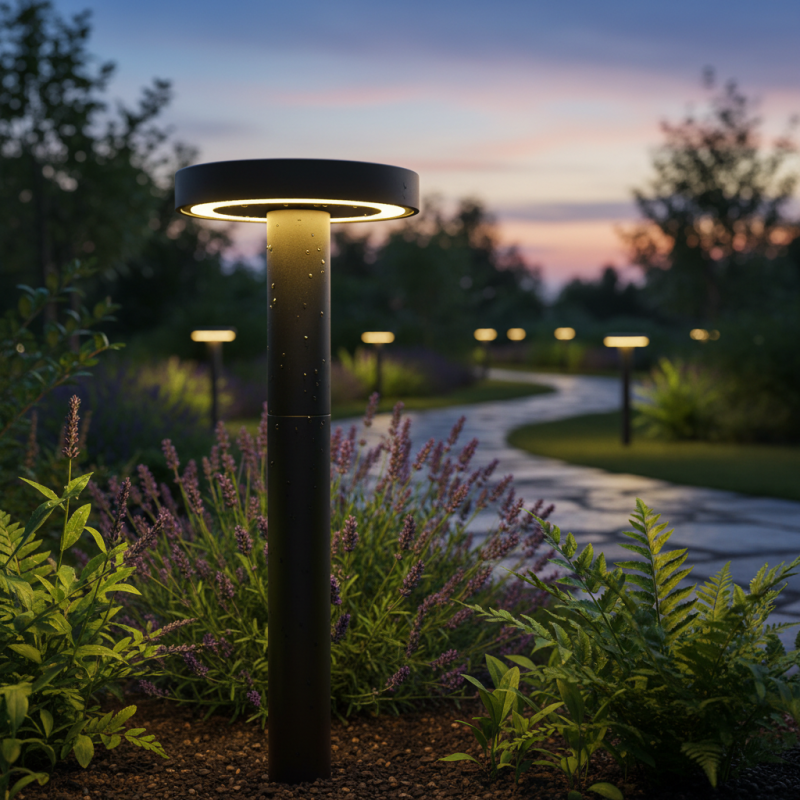
Solar garden lights are an excellent addition to outdoor spaces. They rely on several key components that contribute to their longevity. The solar panel is crucial, converting sunlight into energy. High-quality panels can convert up to 20% of sunlight into usable energy, meaning longer illumination after dark. The batteries, often lithium-ion or NiMH, store this energy. These batteries have a life span of 2-5 years, depending on usage and quality.
LED bulbs are another vital component. They use significantly less energy compared to traditional bulbs, allowing solar lights to last longer. These energy-efficient bulbs can last up to 50,000 hours. With such remarkable endurance, solar garden lights are more sustainable than conventional lighting solutions.
Tips: Regular maintenance can boost their performance. Clean the solar panels to remove dirt and debris regularly. This ensures they absorb maximum sunlight. Additionally, check the batteries annually. Replace them if they show signs of wear. Investing time in upkeep can prevent smaller issues from becoming major problems. Consider the location of your lights too, as shaded areas may reduce efficiency. Overall, the combination of quality components and proper care is key to ensuring solar garden lights shine brightly for years.
Solar garden lights have gained popularity due to their impressive longevity. Central to this durability is the efficiency of their solar panels. Quality solar panels convert sunlight into energy, ensuring that these lights can operate even during cloudy days. They harness solar energy for extended use, making them an eco-friendly choice for outdoor illumination.
The durability of solar panels is essential for the overall lifespan of garden lights. Most solar panels are made of strong materials, providing resistance to weather elements. This helps them maintain functionality over several years. However, some solar panels may degrade faster depending on their quality and exposure. Thus, selecting lights with high-quality panels can make a significant difference.
Tip: When purchasing solar garden lights, check the solar panel specifications. Look for panels with a warranty of at least 10 years.
Another factor affecting longevity is battery quality. Better batteries can hold charge longer, contributing to sustained light output. Regular cleaning of the panels is also crucial. Dust and debris can block sunlight, reducing efficiency.
Tip: Clean solar panels at least twice a year for optimal performance. This simple maintenance task can really extend their lifespan.
Solar garden lights are becoming increasingly popular, largely due to advancements in battery technology. The heart of these lights is their batteries, and improvements in chemistry have significantly boosted their lifespan. Lithium-ion batteries are widely used in many solar lights. They typically last 2-3 years longer than older nickel-cadmium options. According to industry reports, lithium-ion technology enables faster charging and increased efficiency, which directly affects performance.
Durability is a crucial factor. The energy capacity of lithium-ion batteries allows them to store more energy per charge. This translates to longer usage periods during the night. Ideally, solar lights running on effective batteries can illuminate for 8-12 hours after sunset. However, users must consider potential issues like temperature sensitivity and overcharging, which can reduce battery life.
Environmental conditions play a vital role as well. Solar lights must withstand various weather conditions. Excess humidity and extreme temperatures can impact battery performance. Reports suggest proper maintenance can enhance the lifespan of solar lights, yet many users overlook this simple step. Reflecting on battery care might be necessary for those wanting to maximize their investment.
Solar garden lights are becoming increasingly popular for outdoor aesthetics and convenience. Various factors contribute to their long lifespan. Understanding these elements can help users choose the right lights for their gardens.
One key factor is the quality of solar panels used in these lights. High-quality solar panels capture more sunlight. This conversion keeps batteries charged efficiently. Another aspect is the LED bulbs. Energy-efficient LEDs last longer and consume less power, improving overall performance. Additionally, the materials used in constructing the lights play a role. Sturdy materials resist weather damage while enhancing durability.
Maintenance is also crucial. Regular cleaning of solar panels ensures maximum light absorption. Neglecting this can lead to reduced efficiency over time. Though weather-resistant designs are common, extreme conditions can still affect functionality. Users should be mindful of these challenges and find solutions to prolong the lifespan of their solar garden lights.
Solar garden lights are known for their impressive longevity, but proper maintenance is key to maximizing their lifespan. Regularly cleaning the solar panels is essential. Dust and dirt can block sunlight absorption. According to a study by the National Renewable Energy Laboratory, clean panels can boost energy collection by up to 20%. A simple wipe with a damp cloth can make a significant difference.
Battery care is another critical aspect. Most solar lights use lithium-ion batteries that require proper charging cycles. Overcharging can damage these batteries, leading to a reduced lifespan. It's advisable to replace batteries every two years, as noted by the Solar Energy Industries Association. Additionally, check connections for corrosion, particularly in wet climates. Remember, neglecting these small details can lead to diminished performance and shorter life expectancy.
Placement also matters. Install lights in locations that receive full sunlight for at least six hours daily. Shaded areas can lead to inadequate charging. Some users may think they are optimizing light placement but might ignore surrounding vegetation. Blocking light will negatively impact their functionality. Mistakes in these areas show that consistent monitoring is crucial for long-lasting solar garden lights.
: Solar panels efficiently convert sunlight into energy, allowing lights to operate even on cloudy days.
Higher quality batteries hold charges longer, contributing to extended light output and overall lifespan.
Regular cleaning prevents dust and debris from blocking sunlight, ensuring optimal performance and efficiency.
It's recommended to clean solar panels at least twice a year for better performance.
Temperature sensitivity and overcharging are key factors that can negatively affect battery lifespan.
Lithium-ion batteries are preferred as they last longer and charge faster compared to older battery types.
Extreme temperatures and humidity can adversely affect the performance and lifespan of solar lights.
Sturdy materials help resist weather damage, enhancing the overall durability of solar garden lights.
Ideally, well-functioning solar lights can provide 8-12 hours of illumination after sunset.
Users should consider regular maintenance and quality of components, as neglecting these can reduce longevity.
Solar garden lights are a popular choice for outdoor lighting due to their longevity and sustainability. Understanding how long do solar garden lights last involves examining various components, particularly the solar panels and battery technology. High-quality solar panels efficiently convert sunlight into energy, while advanced battery systems store this energy for nighttime use. These elements play a crucial role in determining the overall lifespan of the lights.
However, several external factors can impact their durability, such as weather conditions and installation location. Regular maintenance, such as cleaning the solar panels and checking battery connections, can significantly extend the lifespan of solar garden lights. By considering these factors and implementing proper maintenance practices, users can optimize the longevity of their solar garden lights, ensuring they remain functional and bright for many seasons.

Soluxa Light