Top Solar Garden Lights How Long Do They Last?

Time:2026-09-30 Author:Sienna
0%

Solar garden lights add a gentle glow to paths, flower beds, and patios without wiring or monthly electricity costs. Yet their small size can hide important differences in battery quality, panel efficiency, weather resistance, and daily use. Many homeowners ask, “how long do solar garden lights last?” The honest answer depends on which part you mean: the LED bulb, rechargeable battery, solar panel, or complete fixture.

In practical use, quality LED bulbs may operate for 5 to 10 years, while rechargeable batteries often need replacement after 1 to 3 years. Solar panels can continue working for several years, although dust, shade, hail, and harsh weather may reduce their output. The whole light may last around 2 to 5 years under ordinary outdoor conditions. Some last longer.

Placement matters greatly. A light under a dense tree may shine weakly after a cloudy day. A clean panel facing direct sunlight can perform much better. I have seen lights fade early because water entered the battery compartment, not because the LED failed. That detail is easy to miss.

Results are not perfectly predictable. Winter nights, frequent rain, poor batteries, and cheap plastic housings can shorten service life. Regular cleaning and timely battery replacement usually help. This guide examines realistic lifespan expectations, common failure signs, maintenance habits, and the features worth checking before purchase. Small choices can make a noticeable difference.
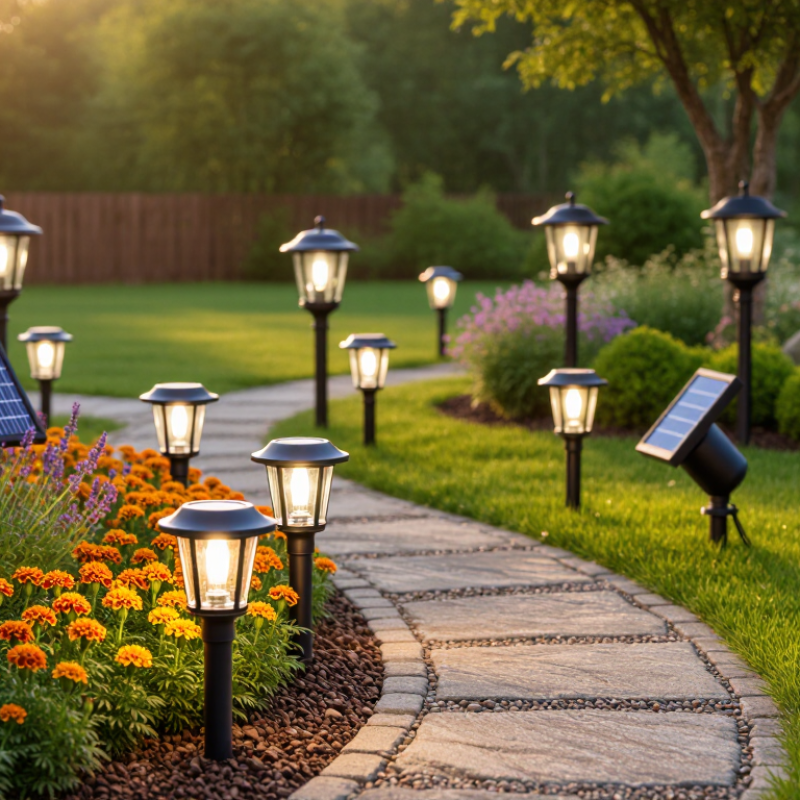
Top Solar Garden Lights How Long Do They Last?

Solar Garden Light Lifespan: LEDs Typically Last 25,000–50,000 Hours

Solar garden lights often advertise LED lifetimes of 25,000–50,000 hours. That figure describes the light-emitting diode, not the entire fixture. The U.S. Department of Energy’s 2013 report, LED Luminaire Lifetime: Recommendations for Testing and Reporting, explains why LED lifetime claims should be assessed through lumen maintenance and testing conditions. In plain terms, an LED may keep working while gradually becoming dimmer. A lamp beside a sheltered path may age differently from one exposed to rain, heat, and winter cold.

That number is not a promise. The battery can become the weak link first, especially when repeated cloudy days leave it only partly charged. Dust on the small panel matters, too. A thin film can cut the daily energy harvest. The Illuminating Engineering Society’s LM-80 and TM-21 methods help evaluate LED light-output maintenance over time, but they do not predict how long a complete outdoor solar light will operate. Check whether a product’s lifespan refers to its LED or whole fixture, and look for test details rather than a bare hour figure. After a few seasons, a light may still glow, just not brightly enough to mark the garden steps.

Battery Longevity: Rechargeable Cells Commonly Last 1–3 Years

Rechargeable cells in solar garden lights commonly last about one to three years, but that is a practical range, not a guarantee. Nightly discharge, weak winter charging, and heat shorten service life. The U.S. Department of Energy’s 2022 Energy Storage Market Report identifies operating conditions and cycling as important influences on battery performance; its findings concern larger storage systems, so small garden-light cells may age differently. That distinction matters.

A simple cycle calculation makes the range less abstract. A cell rated for 500 full cycles, used for one full cycle each night, reaches that count in about 1.4 years. Real lights rarely follow such a neat pattern: cloudy days may reduce charging, while a shaded panel can leave the cell undercharged. NREL battery-life modeling research also treats calendar aging and cycling as separate contributors to degradation. Watch for dimmer light or shorter run time after dusk. Check the cell compartment for corrosion, and replace cells only with the specified rechargeable type. Not every fading light needs a new battery; a dusty panel or loose connection can imitate battery failure.

Solar Panel Service Life: Photovoltaic Modules Often Operate 10–25 Years

Top Solar Garden Lights: How Long Do They Last?

Solar panel service life can be much longer than the life of a garden light’s battery. Photovoltaic modules often operate for 10–25 years, but this is a broad estimate, not a guarantee for every small outdoor panel. Heat, moisture, dirt, and repeated shade can reduce output over time. A panel may still work while producing less energy, so the light may glow for fewer hours each night. That distinction matters.

The complete light often needs attention sooner. Rechargeable batteries commonly lose capacity after repeated charge cycles, while seals, wiring, and plastic parts face rain and temperature changes. A cloudy winter week can make an aging light seem finished when it may simply need several sunny days. Still, a cracked panel or corroded connection may not be worth repairing. Lifetimes vary, and product claims can be hard to compare.

Tips: Place the panel where it receives several hours of direct sun, and wipe dust or pollen from its surface with a soft, damp cloth. Check for leaves or new branches casting shade. If the light dims, inspect the battery and connections before replacing the whole unit. One detail is easy to miss: even a durable panel cannot compensate for poor sunlight or a worn battery.

Top Solar Garden Lights: How Long Do They Last?

Solar panel service life: photovoltaic modules often operate for 10–25 years.

The bar shows the stated service-life range, not a guaranteed lifespan. Actual performance varies with module quality, installation, weather, and maintenance.

What Determines Solar Light Durability: Weather, Charging, and Usage

Top Solar Garden Lights: How Long Do They Last?

A solar garden light’s life depends less on its panel alone than on its battery, seals, and daily sun exposure. NREL’s review of about 2,000 reported photovoltaic degradation rates found a median decline of 0.5% per year. That figure describes PV modules, not complete garden lights, so it cannot predict a light’s exact lifespan. Still, it shows why a panel may keep working even as a light grows dimmer.

Weather adds stress. Rain can seep through cracked seals, while frost and summer heat can strain the casing and battery. Look for a clear ingress-protection rating: IEC 60529 defines how products are tested against dust and water, though a rating does not guarantee years of outdoor use. Check the light after storms. A little maintenance matters.

Charging and usage shape nightly runtime. A panel shaded by a fence or coated with dust collects less sunlight; short winter days can leave the battery undercharged. Frequent, long lighting periods also draw the stored energy down faster. NREL’s module data offers useful context, but small-light batteries age differently and rarely come with comparable field records. That gap is worth remembering. Clean the panel, keep it in direct sun, and replace a weak battery only if the design allows it.

Top Solar Garden Lights: How Long Do They Last? — What Determines Solar Light Durability: Weather, Charging, and Usage

Component or factor Typical lifespan or effect What affects durability Practical care tip
Rechargeable battery Often about 1–3 years before noticeable capacity loss; varies by battery chemistry, quality, and conditions. Repeated charge cycles, extreme temperatures, and prolonged storage while fully discharged can shorten service life. Replace only with a compatible rechargeable battery of the specified type and voltage. Do not use a standard non-rechargeable battery.
LED light source LEDs can be rated for tens of thousands of operating hours, but the complete light may fail sooner because of its battery, electronics, or weather exposure. Heat, moisture, poor electrical connections, and component quality can affect real-world performance. Keep the fixture clean and dry where possible; check connections if the light flickers or dims.
Solar panel A panel may continue producing power for many years, although output can gradually decline and the fixture may need repair sooner. Dust, leaf cover, scratches, prolonged shade, and exposure to harsh weather reduce charging performance. Wipe the panel gently with a damp cloth and position it where it receives direct daylight.
Sunlight and charging Runtime depends on the stored charge. A full day of direct sun generally charges more effectively than short or shaded exposure. Clouds, winter daylight, shade, panel angle, and dirt can reduce the energy collected. Nightly runtime therefore varies by season and location. Move lights away from walls, dense foliage, and artificial light that may interfere with dusk sensors.
Rain and moisture Weather resistance depends on the product’s enclosure and stated IP rating; “water-resistant” does not necessarily mean waterproof or suitable for immersion. Water entering seams, battery compartments, or wiring can cause corrosion or electrical failure. Check the manufacturer’s IP rating and keep seals and battery covers properly closed.
Heat, cold, and frost Temperature extremes can reduce battery performance and may shorten the life of the battery or housing. Freezing conditions can temporarily reduce available capacity; prolonged heat can accelerate battery aging. Follow the product’s operating-temperature guidance and store removable lights in a dry, moderate-temperature location when appropriate.
Nightly usage Longer nightly operation uses more stored energy and may leave less reserve for cloudy days. Brightness settings, motion-sensor activity, and hours switched on affect energy use and battery cycling. Use a lower brightness or motion-sensor mode when available to conserve charge.
Overall fixture life There is no single lifespan for all solar garden lights. Battery replacement may restore runtime, while weather damage or failed electronics may make a fixture unusable. Materials, sealing, maintenance, sunlight, climate, and replaceable parts all contribute. For a fair durability comparison, check the battery type, replaceability, IP rating, and care instructions—not just the stated LED life.

Lifespan figures are general estimates, not guarantees. Actual performance varies by design, climate, installation, and maintenance.

How to Extend Product Life Through Cleaning, Battery Replacement, and Storage

Top Solar Garden Lights: How Long Do They Last?

How to Extend Product Life Through Cleaning, Battery Replacement, and Storage

Solar garden lights commonly last two to five years, depending on sunlight, weather, and battery quality. The LED may work much longer, but the rechargeable battery usually wears out first. In my experience, cloudy weather is not the only problem. Dust, pollen, and bird marks can block the small solar panel and reduce charging.

Clean each panel every few weeks with a soft, damp cloth. Use mild soapy water for stubborn dirt, then dry the surface completely. Avoid rough sponges because small scratches can weaken light absorption. Check the lens as well. Moisture inside the lens may indicate a damaged seal, and ignoring it can shorten the light’s working life.

Battery replacement often restores dim lights. Turn the unit off, remove the battery, and match its chemistry, voltage, and size exactly. Never install a disposable battery where a rechargeable battery is required. That mistake can damage the circuit. Store lights indoors during long freezing periods or severe storms. Remove the batteries before storage, clean away soil, and keep every part dry. A cool, ventilated box works better than a sealed damp container. I once stored several lights without removing their batteries; corrosion appeared sooner than expected. Maintenance feels minor, but skipping one season can make replacement necessary.

FAQS

How long do rechargeable cells in solar garden lights usually last?

They commonly last one to three years. This range is practical, not guaranteed. Heat, weak winter charging, and nightly use can shorten it.

How does nightly use affect battery life?

A cell rated for 500 full cycles may reach that count after about 1.4 years. Real charging patterns are less predictable.

What signs suggest a rechargeable cell is weakening?

The light may become dimmer or turn off earlier after dusk. Check the compartment for corrosion. Shorter runtime matters.

Could a dirty panel look like a dead battery?

Yes. Dust can block sunlight and reduce charging. A loose connection can create similar symptoms. Clean the panel before replacing the cell.

Where should a solar garden light be placed?

Place it in direct sunlight, away from fences, walls, and heavy shade. Even a few shaded hours can reduce nightly brightness.

How do seasons change lighting performance?

Short winter days provide less charging time. Cloudy weather may leave the cell partly charged. The light might fade before morning.

Can rain, frost, and heat damage a solar garden light?

Cracked seals can let rain enter. Frost may stress the casing, while summer heat can age the cell faster. Inspect it after storms.

What should be checked before replacing the rechargeable cell?

Clean the panel and inspect wiring first. Then check the compartment for corrosion. Use only the specified rechargeable type, if replacement is allowed.

Does a working panel mean the whole light will last for years?

Not necessarily. Panels may continue working while batteries, seals, or connections deteriorate. That difference is easy to overlook.

Conclusion

Wondering how long do solar garden lights last? Their lifespan depends on the quality of each component and the conditions in which they are used. LED bulbs commonly provide 25,000–50,000 hours of illumination, while rechargeable batteries usually last around one to three years before their capacity noticeably declines. Solar panels are generally the most durable part, often continuing to operate for 10–25 years with proper care.

Weather, charging conditions, and usage patterns all influence durability. Frequent exposure to rain, snow, extreme temperatures, dust, or physical impact can shorten a light’s service life, while insufficient sunlight may reduce battery performance. To extend product life, regularly clean the solar panel and light housing, replace worn rechargeable batteries, and store the lights in a dry place during severe weather or long periods of nonuse. With routine maintenance and suitable placement, solar garden lights can provide reliable outdoor illumination for many years.

Sienna

Sienna

Sienna is a skilled marketing professional with a deep expertise in our company’s core products and services. With a passion for innovation and detail, she plays a pivotal role in crafting insightful blog posts that not only highlight the unique features of our offerings but also provide valuable......