How to Make Solar Lights Work Efficiently in Winter?

Time:2026-06-27 Author:Isabella
0%

As winter approaches, many homeowners wonder, "can solar lights work in winter?" The efficiency of solar lights declines in colder months due to reduced sunlight hours and harsh weather conditions. A study by the Solar Energy Industries Association indicates that solar energy production can drop by up to 30% in winter compared to summer. However, advancements in solar technology continue to address these challenges.

According to Dr. Emily Lawrence, a solar energy expert at the Renewable Energy Institute, “Solar lights can still be effective in winter if appropriately designed and maintained.” This highlights the importance of quality in solar products. Selecting lights with higher efficiency batteries and durable materials can enhance performance despite cold temperatures.

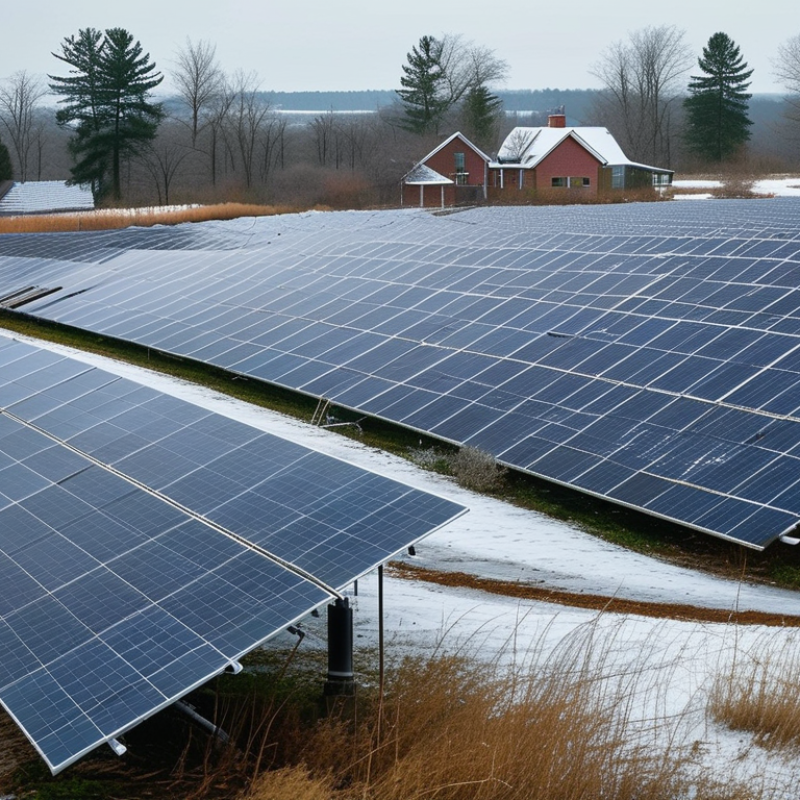
Optimizing solar lights during winter involves strategic placement and regular maintenance. Keeping solar panels clear of snow and debris is essential, as even a thin layer can significantly decrease their efficiency. Though challenges exist, many homeowners find that with the right preparation, solar lights can illuminate their gardens and pathways throughout the winter months.
How to Make Solar Lights Work Efficiently in Winter?

How Solar Light Efficiency Is Affected by Winter Weather Conditions

Winter weather presents unique challenges for solar lights. Shorter days and cloudy skies reduce sunlight exposure, diminishing their efficiency. According to the U.S. Department of Energy, solar energy production can drop by 30% during winter months in certain regions. This significant reduction directly impacts solar light functionality.

Temperature also plays a crucial role. Cold weather affects the battery performance of solar lights. Lithium-ion batteries, commonly used, can lose 20% of their capacity in low temperatures. In addition, snow accumulation on solar panels blocks sunlight. Regular maintenance is essential. Clearing any snow or debris can ensure optimal energy absorption.

Some users may mistakenly believe that sunny days eliminate all winter-related issues. However, efficiency can still suffer from the angle of sunlight. Low-angle winter sunlight doesn’t provide the same energy levels as summer rays. Accurate positioning of solar lights, angled to capture maximum sunlight, is vital. This aspect often gets overlooked but can make a substantial difference.

Understanding the Impact of Shorter Daylight Hours on Solar Charging

As winter approaches, solar lights face unique challenges. Shorter daylight hours significantly reduce the time solar panels can charge. According to the National Renewable Energy Laboratory (NREL), the average winter day only provides about 5 to 6 hours of effective sunlight. This limited exposure can hinder battery performance, leading to dim or even non-functional lights.

The angle of sunlight also changes during winter. Solar panels may absorb less energy due to lower sun angles. This issue is often overlooked. Proper positioning of solar lights is crucial. If placed in shaded areas, efficiency drops further. A study from the Solar Energy Industries Association found that lighting installed without consideration for sun exposure can reduce operational effectiveness by up to 30%.

Maintenance plays a significant role too. Snow accumulation or debris can block sunlight from reaching solar panels, impairing their function. Cleaning panels regularly can improve efficiency. The quality of batteries matters as well. Using higher-capacity batteries can enhance performance during longer winter nights. These considerations highlight that while solar lights are efficient, their performance can be compromised without careful planning.

Adjusting Solar Panel Angles to Capture Maximum Winter Sunlight

To maximize solar light efficiency in winter, adjusting the angle of solar panels is crucial. During winter, the sun’s path is lower in the sky. For optimal energy capture, panels should be tilted southward at a specific angle. According to studies, the best tilt angle for solar panels in winter can be calculated by adding 15 degrees to the latitude of your location. This adjustment can increase solar energy absorption by up to 40%.

In colder months, sunlight can be limited due to shorter days and potential snow cover. Researchers note that even a minimal snow accumulation can significantly reduce solar absorption. Regularly clearing snow off the panels can help maintain their efficiency. Furthermore, maintenance is key. Dust and debris can also hinder performance. Data reveals that neglected solar panels can lose approximately 25% of their efficiency over time.

While these adjustments can enhance performance, not every solution is perfect. Some find that constantly adjusting angles can be labor-intensive. The effectiveness of solar lights also varies by geographic location and local weather patterns. Planning for seasonal changes is essential, yet it requires ongoing effort and reflection on whether the adjustments provide the intended benefits.

How to Make Solar Lights Work Efficiently in Winter?

Angle Adjustment (Degrees) Sunlight Exposure (Hours/Day) Battery Charge Level (%) LED Efficiency (Lumens/Watt)
30 5 75 100
45 6 85 95
60 4 60 90
15 7 80 110

Choosing Solar Lights with Higher Lumen Output for Cold Conditions

When selecting solar lights for winter, it's crucial to focus on lumen output. Higher lumen output means brighter lights, which are necessary for dark winter nights. Standard solar lights may struggle in low sunlight during winter months. Choosing lights with a minimum of 100 lumens can make a significant difference.

During the cold season, battery efficiency declines. This can result in dim lighting when it’s needed most. Some solar lights may not deliver sufficient brightness due to inadequate solar panels. Opt for models that include larger panels. This ensures they gather more sunlight, even in limited conditions.

An important detail to consider is the material of the solar lights. Plastic can become brittle in cold temperatures. Look for lights made from robust materials like metal or high-quality composite. It's a simple choice that can enhance durability. However, the upfront costs may feel high. Investing in quality solar lights can save money long-term, as they will outlast cheaper options.

Using Battery Technology to Enhance Solar Light Performance in Winter

Winter poses unique challenges for solar lights. Daylight hours shorten, and sunlight becomes less intense. Battery technology plays a crucial role in maintaining solar light performance during these months. According to a report from the National Renewable Energy Laboratory (NREL), lithium-ion batteries can retain around 70-80% of their capacity even in cold temperatures. This energy efficiency is vital for prolonged use of solar lights in winter.

In freezing conditions, solar panels can struggle to convert sunlight into energy. Many designs fall short when relying solely on standard lead-acid batteries. However, advanced technologies like lithium iron phosphate offer better thermal stability and longevity. These batteries remain operational at lower temperatures, preventing the rapid degradation that can occur in traditional options. Data indicates that lithium iron phosphate batteries could outperform their conventional counterparts by up to 30% in colder climates.

Despite advancements, some limitations remain. Increased charging times and diminished energy production are still concerns during winter months. Users may need to position their solar panels strategically to maximize sun exposure. Winter's shorter days mean these adjustments are necessary for optimal function. Understanding battery technology and its implications helps in navigating these winter challenges more effectively, enhancing the reliability of solar lights.

How Solar Lights Perform in Different Winter Conditions

FAQS

: How does winter weather affect solar light efficiency?

: Winter brings shorter days and cloudy skies, reducing sunlight exposure and efficiency by up to 30%.

What impact does temperature have on solar light batteries?

Cold weather can cause lithium-ion batteries to lose about 20% of their capacity, affecting performance.

Why is regular maintenance necessary for solar lights in winter?

Snow and debris on panels block sunlight. Clearing them ensures optimal energy absorption and efficiency.

Can sunny days still pose problems for solar lights in winter?

Yes, low-angle sunlight does not provide the same energy levels as summer rays, affecting overall efficiency.

How should I adjust solar panel angles for better winter performance?

Tilt panels southward at an angle based on your latitude plus 15 degrees for maximum sunlight capture.

What lumens output should I look for in winter solar lights?

Opt for lights with at least 100 lumens for adequate brightness during the dark winter nights.

What material should I choose for winter solar lights?

Select durable materials like metal or high-quality composites, as plastic can become brittle in cold temperatures.

Why might constant angle adjustments for solar panels be challenging?

Regular adjustments can be labor-intensive, and their effectiveness varies by geographic location and weather patterns.

What is a consequence of neglecting solar panel maintenance?

Neglected panels can lose approximately 25% of their efficiency over time, impacting lighting performance.

Are investments in higher-quality solar lights worth it?

Yes, they may involve higher upfront costs but can lead to long-term savings due to increased durability and performance.

Conclusion

In winter, many people wonder if solar lights can work in winter effectively. The efficiency of solar lights during colder months can be impacted by various weather conditions, including reduced sunlight and shorter daylight hours. To maximize solar charging, it is essential to adjust solar panel angles to capture the limited winter sunlight. Additionally, selecting solar lights with higher lumen output can significantly enhance brightness in cold conditions.

Battery technology also plays a crucial role in improving solar light performance during winter. By utilizing advanced batteries, solar lights can store energy more efficiently, ensuring they continue to function optimally despite the challenges posed by winter weather. With these considerations in mind, it is clear that with the right adjustments and selections, solar lights can indeed work effectively even in winter.

Isabella

Isabella

Isabella is a dedicated marketing professional with a sharp focus on driving brand growth and engagement through strategic content creation. With an extensive background in digital marketing, she combines her passion for storytelling with her keen understanding of industry trends to deliver......