In recent years, the demand for solar lighting solutions has surged. As homeowners seek sustainable alternatives, understanding how to make solar lights brighter becomes crucial. According to the Solar Energy Industries Association, solar installations increased by 43% in 2020 alone, highlighting the industry's rapid growth. However, many consumers remain unaware of methods to enhance the brightness of these lights effectively.
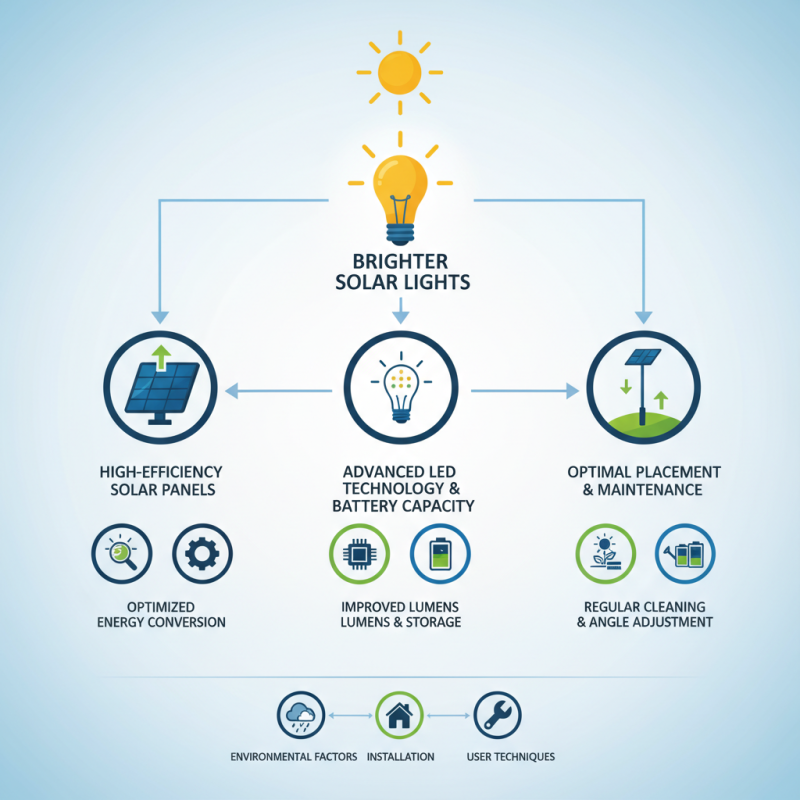
An expert in solar technology, Dr. Jane Smith, states, "Improving the lumens output of solar lights requires strategic upgrades." With advancements in LED technology and battery capacity, shining a light on ways to optimize solar lights is more relevant than ever. The integration of high-efficiency solar panels can significantly boost energy conversion, leading to brighter illumination.
Yet, challenges persist. Factors such as location, weather conditions, and even user installation techniques can affect performance. It's essential for users to understand these variables when considering how to make solar lights brighter. A proactive approach to maintenance and upgrades can transform solar lighting from a dim solution to a powerful source of illumination.
Understanding the Basics of Solar Light Functionality
Solar lights are a growing choice for outdoor illumination due to their eco-friendliness. Understanding how they work is essential for maximizing brightness. Solar lights harness sunlight through photovoltaic cells. These cells convert sunlight into electricity, which charges batteries.
According to a report by the National Renewable Energy Laboratory, solar technology efficiency has improved by nearly 50% in the past decade. This means brighter lights with less direct sunlight.
Battery capacity plays a significant role in light brightness. Most solar lights use lead-acid or lithium-ion batteries. Lithium-ion batteries, for instance, provide better energy retention and longevity. A research publication from the International Energy Agency highlights that lithium batteries can last up to 15 years. However, cold temperatures can reduce battery performance. Thus, location and seasonal changes should be considered.
The type and quality of LED bulbs also affect illumination. Larger bulbs typically emit more light, yet many solar lights use smaller, less efficient bulbs for cost savings. A study by the Solid-State Lighting Program indicates that using high-efficiency LEDs can increase brightness by 40%. Therefore, upgrading bulbs may be necessary for improved performance. Overall, understanding these basics is crucial for making informed decisions to enhance solar light brightness.
Enhancing Solar Panel Efficiency for Increased Brightness
Enhancing solar panel efficiency is crucial for achieving better illumination from solar lights. According to research by the
National Renewable Energy Laboratory, the average efficiency of solar panels is around 15-22%.
Improvements to this efficiency can lead to significantly brighter lights. Investing in higher-quality photovoltaic cells can result in a notable increase in energy conversion.
To optimize performance, consider the placement of your solar panels. They should be positioned where they can receive direct sunlight for the maximum number of hours each day. Positioning them on rooftops or open areas can help. Also, cleaning the panels regularly is essential. Dust and debris can reduce light absorption, leading to dimmer outputs.
Tip: Regular maintenance of solar panels can improve their efficiency by up to 10%. Another key aspect is to use LED bulbs, which consume less energy and produce more light than traditional bulbs. It's also beneficial to assess your battery storage. A high-capacity battery allows stored energy to be used effectively, enhancing brightness when needed most. Every small adjustment contributes to better illumination, but monitoring performance is crucial. If lights remain dim, it might be time to rethink your setup.
Choosing the Right LED Bulbs for Optimal Illumination
Choosing the right LED bulbs can significantly enhance your solar lights' brightness. When selecting bulbs, consider lumens. Lumens measure light output, not wattage. Aim for bulbs that emit at least 100 lumens. More lumens mean brighter illumination for pathways and gardens.
Color temperature also matters. Warmer temperatures, around 2700K, provide a cozy feel. However, cooler temperatures, like 5000K, mimic daylight and offer a more vibrant look. This choice impacts ambiance and visibility. Experimenting with both options can yield surprising results.
It's essential to reflect on energy efficiency and battery life. High-performance bulbs may drain batteries faster in cloudy weather. Adjust your bulb choice based on the hours of sunlight your location typically receives. Remember, not every LED bulb performs well in every setting. Sometimes, trial and error leads to the best setup.
How to Make Solar Lights Brighter for Better Illumination?
| LED Bulb Type |
Luminous Flux (Lumens) |
Wattage (W) |
Color Temperature (K) |
Average Lifespan (Hours) |
| Standard LED |
800 |
10 |
3000 |
25000 |
| High-Output LED |
1600 |
18 |
4000 |
30000 |
| Super Bright LED |
2000 |
25 |
5000 |
50000 |
| Colored LED |
600 |
8 |
RGB |
20000 |
| Warm White LED |
1000 |
12 |
2700 |
30000 |
Positioning and Placement Strategies for Maximum Light Output
Positioning solar lights effectively is crucial for achieving optimal brightness in outdoor spaces. Start by identifying areas that require illumination. Walkways and steps benefit greatly from direct light. Avoid placing lights under trees or near tall structures, as these can block sunlight during the day. A light that receives ample sunlight will shine brighter at night, so consider the surroundings carefully.
Additionally, experimenting with the angle of your solar lights can yield better results. Tilting the fixtures towards the area you want to illuminate enhances their effectiveness. Ensure the solar panels face south, if possible. This positioning captures more sunlight, generating adequate energy for a brighter glow. However, keep in mind that not all angles work well for every location; some trial and error may be necessary.
Another aspect to consider is the distance between lights. Placing them too far apart can lead to dark spots, reducing overall visibility. Ideally, lights should be spaced close enough to create a cohesive flow of light. However, overcrowding can diminish their effectiveness. Striking a balance here requires careful observation and adjustments until you find the right setup for your space.
Maintaining and Upgrading Solar Lights for Longevity and Brightness
Proper maintenance is crucial for maximizing the brightness and longevity of solar lights. Regular cleaning of solar panels improves light absorption. Dust and debris can reduce efficiency by over 20%. Use a soft cloth to wipe them clean every few weeks. Ensure the lights are positioned where they receive adequate sunlight. Sometimes, repositioning them can lead to better performance.
Upgrading components is another way to enhance brightness. Replacing old batteries with higher capacity models can extend operational time. Research shows that lithium-ion batteries can outperform standard options by up to 50%. This upgrade may involve initial costs, but the long-term benefits are significant. Moreover, consider using LED bulbs that emit more lumens per watt, making them a more effective choice for energy efficiency.
Avoiding common pitfalls is essential. Many users overlook the need to check for physical damage to fixtures. Cracks or loose wires can lead to dim lights. Regular inspections should become a habit. It's also important to reflect on your solar lights’ placement and usage. Too many obstructions can lead to inadequate illumination. At times, re-evaluating their setup can reveal simple solutions to enhance brightness.
Conclusion
In the quest to learn how to make solar lights brighter, it is essential to understand the fundamental mechanics of solar light functionality. Enhancing solar panel efficiency plays a crucial role in maximizing brightness, as well-optimized panels can convert more sunlight into energy. Additionally, selecting the right LED bulbs is vital, as different types of bulbs provide varying levels of illumination, affecting overall brightness.
Furthermore, strategic positioning and placement of solar lights are key to achieving maximum light output. Proper maintenance and occasional upgrades of solar lights not only extend their longevity but also ensure consistent brightness over time. By following these strategies, anyone can significantly enhance the performance of their solar lighting systems for improved illumination.

 Soluxa Light