The rise of sustainable living has made solar garden lights a popular choice for homeowners. According to the Solar Energy Industries Association, the residential solar market grew by 20% in 2022. People are becoming more conscious of energy consumption and environmental impact. This trend emphasizes the need for reliable information on how to install solar garden lights effectively.
Choosing to illuminate your garden with solar lights is a commitment. However, installation can be challenging. Many homeowners share their struggles, such as improper placement or inadequate charging. Reports show that up to 30% of buyers express dissatisfaction due to these common mistakes. Understanding how to install solar garden lights correctly is essential for optimizing their performance and longevity.
With the right knowledge, anyone can enhance their outdoor space sustainably. Ideal placement and maintenance will make the experience rewarding. Yet, gaining practical experience is necessary. Recognizing that there might be a learning curve is part of the process. Engaging with the installation steps will ensure successful usage of solar garden lights while contributing to a greener planet.
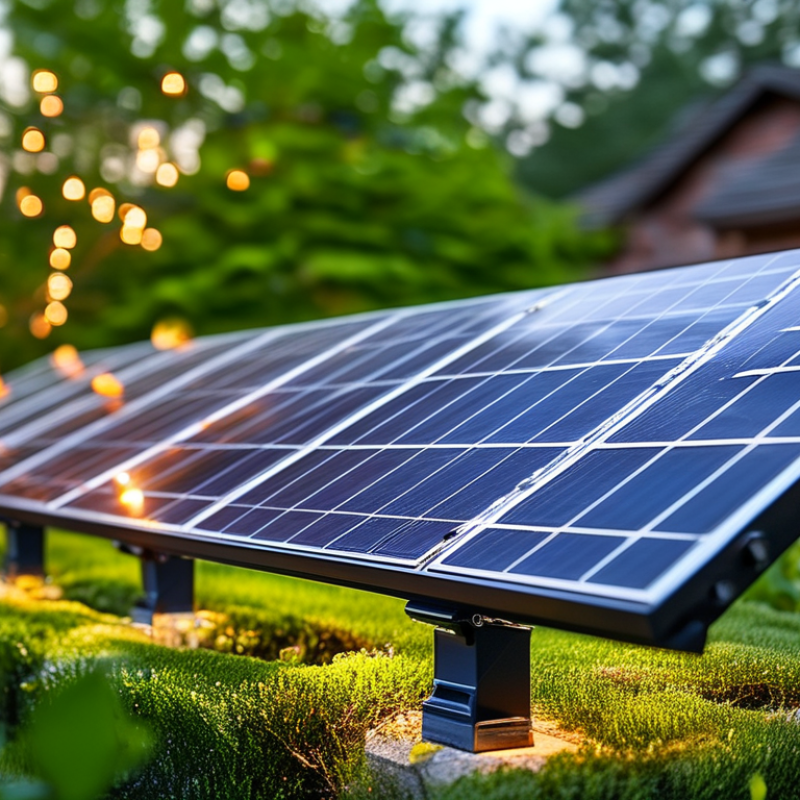
When selecting solar garden lights, consider the brightness and design. According to the U.S. Department of Energy, LED lights can be 75% more efficient than traditional bulbs. Look for lights that offer adjustable brightness or different lighting modes. This feature can enhance usability and aesthetics across various garden settings.
The choice of solar panels is also critical. High-quality solar panels can capture more sunlight, translating to longer lighting hours. A study by the Solar Energy Industries Association stated that solar technology has become more affordable, making it easier to find effective options. Assess the average sunlight your garden receives to maximize energy usage.
Tip: Consider the installation location. Ensure solar lights are placed in areas with ample sunlight exposure. Shadows can reduce efficiency significantly. Also, check the durability rating of your lights, as exposure to harsh weather can affect performance. Don't overlook the importance of style. The right design can blend functionality with beauty. Taking these factors into account will help you create an enchanting and sustainable garden environment.
When preparing to install solar garden lights, assessing the installation environment is crucial. Start by selecting an area that receives ample sunlight. Avoid spots with heavy shade from trees or buildings. This ensures the solar panels will charge effectively. Clear any debris or plants obstructing sunlight.
Think about the landscape around your chosen location. If it's uneven, consider leveling the ground for better stability. Take the time to measure distances between lights for a uniform look. Each light should complement the overall design of the garden. Space them evenly to create an inviting atmosphere.
Tips: Check the local climate. Ensure heavy rains don’t flood your installation site. You might need to elevate the lights slightly to prevent water damage. Testing the lights before securing them in the ground can save effort later.
Lastly, be aware that ground conditions vary. Rocky or hard soil might complicate the installation. If needed, keep a hammer or a tool handy to assist in anchoring the lights. Embrace the learning process; it’s normal to face challenges along the way.
Positioning solar garden lights correctly can drastically enhance your outdoor space. A study from the Solar Energy Industries Association points out that proper placement maximizes sunlight exposure. Aim for areas that receive direct sunlight for at least six hours daily. This is essential for optimal battery performance.
When installing your lights, consider pathways, garden borders, and seating areas. These locations not only provide illumination but also create a warm atmosphere. Ensure the lights are spaced evenly for consistent lighting. Avoid placing them under trees or heavy foliage, which can obstruct sunlight, leading to reduced efficiency.
Tips: Before installation, test different spots during the day. Observe how the sunlight shifts. This can prevent mistakes that lead to poorly lit spaces. Also, consider the height of the lights. Lights that are too low can be hidden by plants or furniture. Lights should ideally be 24 inches above the ground for best visibility.
Reflect on the layout. Sometimes, you may need to adjust the positions after initial installation. It’s okay to revisit your setup. Quality home lighting requires a bit of trial and error. Embrace the process for a well-lit garden that suits your style.
Maximizing sunlight exposure is crucial for the efficiency of solar garden lights. According to industry reports, optimal positioning can increase charging efficiency by over 25%. Positioning lights to face south ensures they capture the most sunlight during the day. At an angle of 20 to 45 degrees, the panels can harness direct sunlight. This angle allows them to absorb solar energy more effectively throughout the year.
It's essential to keep the solar panels clean and free from debris. Dust buildup can reduce output by 30%, affecting overall performance. Every few months, check for obstructions like tree branches or nearby buildings that could cast shadows. For best results, position lights away from structures or hedges that can block sunlight, especially during peak sunlight hours.
Consider the surrounding environment when installing your solar garden lights. Some areas may not receive adequate sunlight due to geographical or seasonal changes. Adjusting placement can significantly influence the charging process. Therefore, it's worth experimenting with different locations. Evaluate the data from various positions to find the optimal setup, ensuring your lights perform at their best.
To ensure your solar garden lights have a long lifespan, regular maintenance is crucial. Check the solar panels for dirt and debris. A simple wipe with a soft cloth can significantly improve their efficiency. Accumulated grime can block sunlight and reduce performance. Remember, a clean panel means more energy to power your lights.
Battery maintenance is just as important. If your lights have replaceable batteries, do so every couple of years. This helps maintain brightness and extends their life. Sometimes, you might notice dim lights even after cleaning the panels. This often indicates that the battery needs attention or replacement. Take time to monitor their operation, especially after the first few months.
Positioning matters as well. Ensure your lights are placed in areas with ample sunlight during the day. Shadows from trees or buildings can limit their effectiveness. If a light regularly fails to illuminate, reflect on its location. You may need to adjust it to a more suitable spot. Regularly checking these elements can prevent frustrations and help your garden lights shine bright.
: Select an area that receives plenty of sunlight. Avoid heavy shade from trees or buildings.
Consider leveling the ground for better stability. This helps the lights stand securely.
Measure distances between the lights. Space them evenly for a cohesive look.
Check the local weather. Elevating the lights can prevent water damage if needed.
Regularly wipe the solar panels with a soft cloth. Clean panels are crucial for efficiency.
Check the batteries. Replace them if needed to maintain brightness and extend life.
Shadows can limit effectiveness. Adjust lights to areas with more sunlight if needed.
Keep a hammer handy for anchoring the lights. Ground conditions can vary.
Yes, embrace the learning process. Challenges often provide valuable experiences.
Regular checks are important, especially in the first few months. This helps prevent future issues.
When learning how to install solar garden lights, it’s essential to first choose the right lights based on your specific needs and preferences. Understanding the installation environment is crucial; you must prepare the site properly by selecting locations that receive ample sunlight.
A detailed step-by-step guide can help you properly position the solar garden lights to ensure optimal exposure and charging efficiency. Additionally, maintenance plays a vital role in extending the longevity of your solar lights, allowing them to function effectively over the years. By following these simple steps, you can enhance your outdoor space with sustainable lighting.

Soluxa Light