Improving solar panel efficiency is crucial for enhancing energy output. As an industry expert, Dr. Emily Foster states, "Efficiency is the key to maximizing solar energy potential." With rising energy costs and environmental concerns, understanding how to improve solar panel efficiency becomes vital for homeowners and businesses alike.
The performance of solar panels can be influenced by various factors, including location, installation angle, and temperature. Many users overlook these aspects. For instance, panels installed at the wrong angle may generate significantly less energy. Additionally, dirt accumulation can hinder their performance. Addressing these details is essential for optimizing energy production.
Innovations in solar technology also play a role. New materials and designs promise to boost efficiency. However, consumers should remain cautious. Not all solutions are effective. Continuous research is necessary to identify reliable methods. Whether for small-scale or large-scale systems, exploring how to improve solar panel efficiency requires a dedicated approach and knowledge of current advancements.
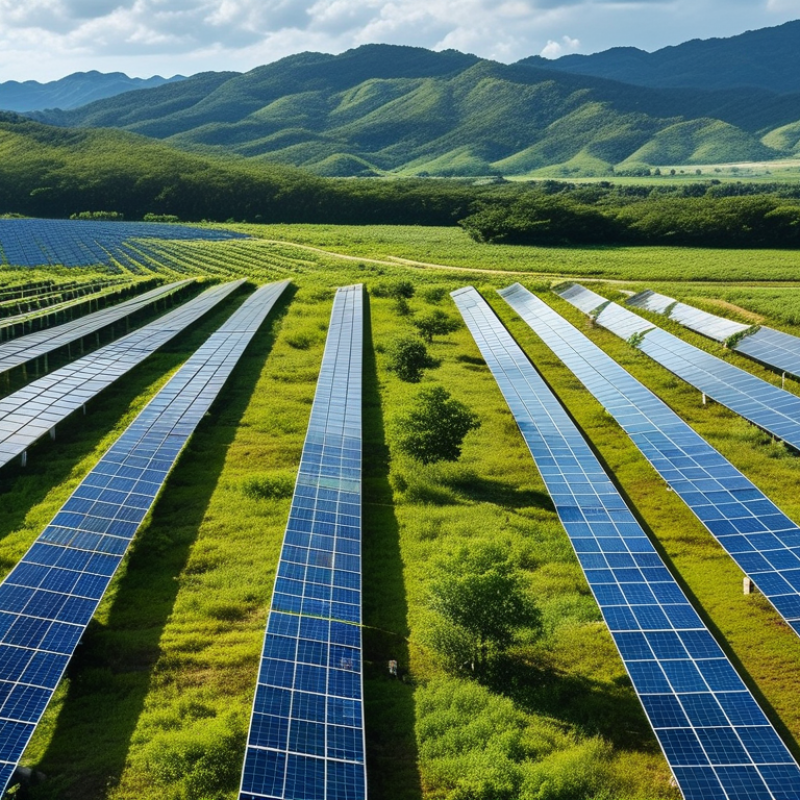
Understanding solar panel efficiency is crucial for maximizing energy output. Solar panels convert sunlight into electricity, but their efficiency can vary significantly. According to the National Renewable Energy Laboratory (NREL), the average efficiency rate for commercial solar panels ranges between 15% and 20%. This means that only a fraction of the sunlight hitting the panels is converted into usable energy. Improving efficiency can lead to greater energy production, reducing reliance on traditional energy sources.
Factors affecting solar panel efficiency include temperature, angle of installation, and the quality of materials used. Research indicates that performance can decline by approximately 0.5% for every degree Celsius above 25 degrees. In addition, the angle at which sunlight strikes the solar panels can impact output. An optimal tilt can increase energy capture by up to 25%. Yet, many installations do not account for local weather patterns or seasonal changes, leading to less than optimal results.
Investing in higher-efficiency panels can yield better returns. However, they often come with a higher upfront cost. A balance must be struck between cost and efficiency to achieve long-term benefits. While advanced technologies like bifacial panels promise improvements, they require careful evaluation. Understanding these nuances is vital for anyone looking to optimize their solar energy systems.
Solar panel energy output is impacted by various factors that merit attention for efficiency improvement. A pivotal factor is sunlight exposure. According to the National Renewable Energy Laboratory (NREL), a solar panel can produce up to 25% more energy when positioned to maximize sun exposure. While tracking systems increase efficiency, these systems may not be suitable for every installation. Inconsistent shading from nearby buildings or trees can lead to significant losses, sometimes exceeding 20% of potential energy.
Temperature also plays a critical role. Solar panels typically lose efficiency as temperatures rise. Data from the Solar Energy Industries Association (SEIA) indicate that high temperatures can lower output by about 0.4% for each degree Celsius above 25°C. This effect can be pronounced in warmer regions, and users should rethink installations based on local climate. Moreover, the inverter efficiency cannot be overlooked; suboptimal inverter performance may lead to 10-20% drop in energy conversion rates.
Regular maintenance is essential yet often neglected. Dust, dirt, and debris can obstruct panels, reducing energy output significantly. A study from the Journal of Renewable and Sustainable Energy found that unclean panels can decrease efficiency by 15% to 25%. Each factor shows how improving solar panel efficiency requires continuous attention and adaptation to environmental conditions.
| Factor | Description | Impact on Efficiency | Improvement Suggestions |
|---|---|---|---|
| Orientation | The angle and direction of the solar panels influence how much sunlight they receive. | High | Adjust panels to face true south (in the northern hemisphere) and angle them for peak sun exposure. |
| Temperature | Solar panels can lose efficiency as temperatures increase. | Medium | Use panels with low-temperature coefficients and ensure proper ventilation. |
| Shading | Objects that cast a shadow on solar panels dramatically reduce their output. | High | Clear any obstructions and consider microinverters to minimize losses from shading. |
| Panel Age | Older panels may produce less energy than their original output. | Medium | Conduct regular maintenance and consider replacing aging panels for better performance. |
| Cleaning | Dirt and debris on panels can decrease efficiency significantly. | High | Regularly clean panels to ensure maximum light absorption. |
Innovative technologies are pivotal for enhancing solar panel efficiency. Researchers indicate that current solar technology converts only 15-22% of sunlight into electricity. This is where advancements can significantly impact energy output. For instance, bifacial solar panels capture light from both sides, increasing energy yield by up to 30%. This not only enhances performance but also improves land use efficiency.
Another promising development is the utilization of perovskite materials. These materials are cheaper and easier to produce than traditional silicon. Studies show that perovskite solar cells can achieve up to 29% efficiency in controlled settings. However, these cells often face challenges in stability and longevity. The industry must address these issues for wider adoption.
To boost solar panel performance, consider optimizing your installation's angle. Panels should face the sun directly to maximize exposure. Regular cleaning is also essential; dirt and debris can reduce efficiency by up to 25%. Investing in energy storage systems, like batteries, can help balance supply and demand, ensuring reliability and consistency in power usage.
Optimal installation practices are crucial for enhancing solar panel efficiency and maximizing energy collection. Studies indicate that the angle of solar panels significantly affects their energy output. Ideally, panels should be tilted between 30 to 45 degrees. This range allows them to capture the most sunlight throughout the day. Of course, this angle may vary based on geographical location and seasonal changes. Ensuring that solar panels are oriented towards the sun's path can yield up to 25% more energy.
Another critical factor is the spacing between panels. Proper spacing minimizes shading issues, which can drastically reduce energy generation. According to the National Renewable Energy Laboratory, even a small amount of shading can decrease output by over 80%. Regular maintenance is essential for maintaining installation integrity. Dust, debris, and snow can accumulate on panels, decreasing their efficiency. Cleaning panels twice a year can help maintain optimal performance.
Moreover, selecting an appropriate installation site is vital. Ideally, the location should receive direct sunlight for most of the day. Trees or buildings casting shadows can drastically impact energy collection. While some installers may overlook site assessment, this step is fundamental. Choosing the right site can enhance energy output significantly.
Maintaining solar panels is crucial for optimal performance and longevity. Regularly cleaning the panels can dramatically improve their efficiency. Dust, leaves, and bird droppings can accumulate and block sunlight, reducing energy output. It is recommended to clean your panels every few months. Using a soft brush and a mild detergent keeps them in top shape. However, be cautious of using harsh chemicals that may damage the surface.
Another key aspect of maintenance is checking for wear and tear. Inspect wires, connectors, and mounting structures periodically. Look for any signs of corrosion or physical damage. If you see issues, address them promptly, as minor repairs are usually easier and cheaper than large fixes. Engaging a professional for a thorough annual inspection can provide peace of mind.
Monitoring energy production is also essential. By tracking how much energy your system generates, you can spot any sudden drops in efficiency. These fluctuations could indicate a problem needing attention. Keeping a log of performance helps identify patterns and when maintenance is necessary. Regular care and vigilance can lead to sustained performance and increased energy yields.
: Solar panel efficiency refers to how well panels convert sunlight into electricity. It typically ranges from 15% to 20%.
Factors include temperature, angle of installation, and material quality. Each can significantly impact energy output.
Efficiency declines by about 0.5% for every degree Celsius above 25°C. High temperatures can lead to substantial energy loss.
The optimal tilt can increase energy capture by up to 25%. Many setups neglect seasonal and local weather impacts.
Regular cleaning is essential. It's typically recommended to clean panels every few months to maintain efficiency.
Inspect wires and connectors for wear and tear. Finding issues early is crucial, as minor repairs are easier and cheaper.
Track your energy generation to spot drops in efficiency. Keeping logs helps identify patterns needing maintenance.
Higher-efficiency panels can yield better returns but may have higher upfront costs. Evaluate your long-term benefits carefully.
Inconsistent shading can lead to over 20% loss in potential energy. It's essential to consider nearby buildings and trees.
Yes, unclean panels can decrease efficiency by 15% to 25%. Regular cleaning is essential for optimal performance.
Improving solar panel efficiency is essential for maximizing energy output and optimizing the benefits of renewable energy sources. To understand how to improve solar panel efficiency, it's crucial to grasp the concept of solar panel efficiency and its significance in energy generation. Various factors can affect solar panel performance, including temperature, shading, and angle of installation.
Incorporating innovative technologies, such as multi-junction cells and improved inverter systems, can further enhance efficiency. Additionally, optimal installation practices, like precise positioning and tracking systems, can lead to significant gains in energy collection. Regular maintenance, including cleaning and inspections, is vital to ensure sustained performance and longevity of solar panels. By focusing on these aspects, individuals and organizations can significantly boost the efficiency of their solar energy systems.

Soluxa Light