Top Solar Garden Lights How Do They Work?

Time:2026-09-20 Author:Liam
0%

Top Solar Garden Lights: How Do They Work?

Understanding how do solar garden lights work begins with a small photovoltaic panel. During daylight, the panel converts sunlight into electrical energy. A rechargeable battery stores that energy for evening use. When the light sensor detects darkness, a control circuit activates the LED. The stored power then travels through the circuit and produces illumination. Simple, but not effortless.

Lighting engineer Ian Ashdown describes the principle clearly: “The key to good solar lighting is not the lamp; it is the system.” This view matters when comparing top solar garden lights. Their performance depends on panel quality, battery capacity, LED efficiency, and placement. A bright lamp may still fail after a cloudy afternoon. A modest lamp may perform better with direct southern exposure. Shade changes everything.

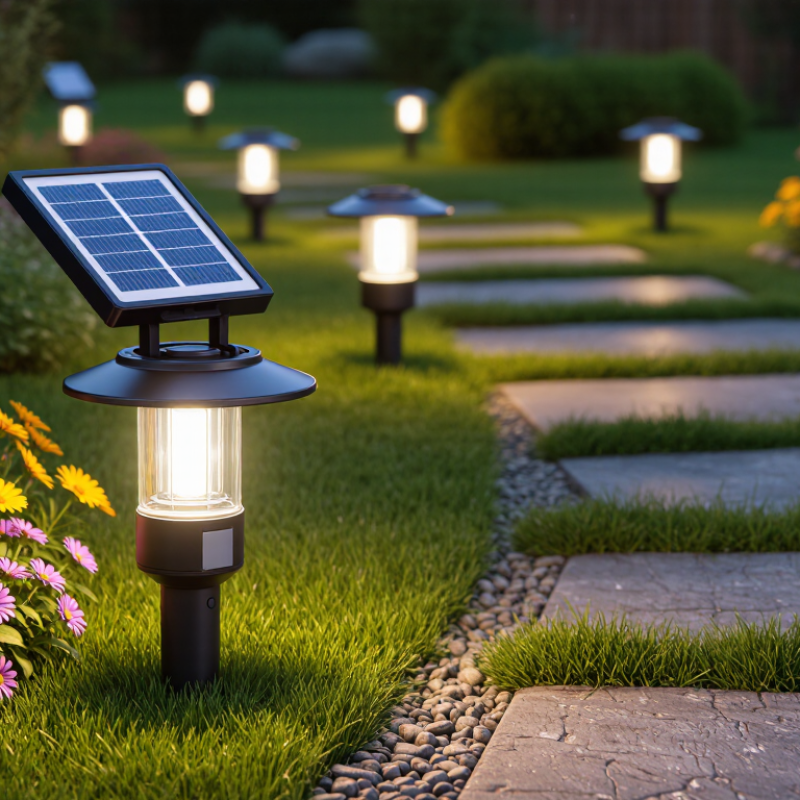
Look closely at a typical installation. The panel faces the sky. The battery sits beneath the cap. The LED glows near a pathway, flower bed, or patio step. A sensor controls the daily cycle without household wiring. Most models use lithium-ion or nickel-metal hydride batteries. Each option has different charging behavior and service life.

The explanation is useful, but incomplete. Weather, dirt, winter darkness, and nearby trees can reduce runtime. Marketing claims can also sound better than real garden results. Testing the light for several nights gives a more honest picture. Clean the panel gently. Avoid placing it beneath dense branches. Good solar lighting is practical, not magical. It quietly combines sunlight, storage, control, and efficient illumination.
Top Solar Garden Lights How Do They Work?

Solar Garden Light Components and Their Functions

Top Solar Garden Lights: How Do They Work?

Solar garden lights contain several small components that work together after sunset. A photovoltaic panel converts daylight into electrical energy. That energy charges a rechargeable battery, usually housed beneath the light head or inside the base. A control circuit manages charging and prevents the lamp from running during daylight. When the surrounding light becomes weak, a sensor activates the LED. LEDs use little electricity and produce focused, bright illumination. A sealed housing protects these parts from moisture, dust, and temperature changes.

The battery determines how long the light remains on. Its capacity, age, and charging conditions all matter. A shaded panel may collect too little energy, even on a warm day. I once assumed brighter sunlight always meant better performance, but panel direction and cleanliness were more important. This is a useful reminder: outdoor results can differ from product specifications. Some lights also reduce brightness late at night to preserve power. That feature is practical, though it may disappoint users expecting steady brightness.

Tips: Place the panel where it receives several hours of direct sunlight. Wipe away dust and fallen leaves regularly. Keep the light away from strong porch lamps, which can confuse the sensor. Check the battery when runtime becomes noticeably shorter. Replace it only with a compatible rechargeable type. Also inspect seals after severe weather. Small cracks can allow water inside, and corrosion may damage the circuit.

How Solar Panels Capture and Convert Sunlight

Top Solar Garden Lights: How Do They Work?

Solar garden lights use photovoltaic cells to capture sunlight. These cells usually contain silicon, a semiconductor that reacts to light. When sunlight reaches the cell, its energy moves electrons and creates direct current. A small circuit then controls this current safely. It sends extra energy into a rechargeable battery for later use.

The panel works best under strong, direct sunlight. Even thin cloud cover can reduce charging efficiency. In practical use, a panel may need six to eight hours of daylight for reliable nighttime lighting. Shade from leaves, walls, or garden furniture can weaken the result. Panel angle also matters. A dirty surface can quietly reduce performance.

At dusk, a light sensor detects falling brightness. The circuit stops charging and powers an LED from the battery. LEDs require little electricity, so they can produce useful light for several hours. The process is simple, but not flawless. Battery capacity declines with age, and cold weather can reduce runtime. Moisture around the battery compartment may cause corrosion. I may be oversimplifying the electronics, because designs vary considerably. Still, checking the panel, cleaning its surface, and replacing a tired battery are practical steps. Small details matter.

How Batteries Store Energy for Nighttime Use

Top solar garden lights seem simple, but nighttime performance depends on stored energy. During daylight, a photovoltaic panel converts sunlight into electrical current. A small charging circuit directs that current into a rechargeable battery. The battery stores chemical energy, not light. When darkness arrives, a light sensor activates the circuit, and the battery releases electricity to the LEDs. This process runs automatically, without a wall outlet or timer.

Most models use nickel-metal hydride or lithium-based rechargeable cells. Their capacity is measured in milliamp-hours, while voltage must match the light’s circuit. Higher capacity can extend runtime, but it may also need more charging time. The charging controller limits current and helps prevent damaging overcharge. Place the panel where it receives several hours of direct sunlight. Leaves, dust, and winter shadows reduce energy entering the battery. Clean the panel gently with a damp cloth. Small details matter.

On cloudy days, the battery may store only a partial charge, so dim light is normal. Cold temperatures can also reduce available capacity temporarily. “All-night” claims vary between summer and shaded gardens. That difference deserves honest attention. After a year or two, rechargeable cells often hold less energy, even when the LEDs still work. Replacing the correct cell may restore runtime, but compatibility must be checked carefully. Never mix old and new cells.

Top Solar Garden Lights: How Batteries Store Energy for Nighttime Use

Representative energy flow for a small solar garden light over one day

During daylight, the photovoltaic panel converts sunlight into electrical energy. A charge controller sends part of this energy to a rechargeable battery, commonly a small NiMH or lithium-ion cell. After sunset, the controller uses the stored energy to power the LED. In this representative example, a 0.5-watt panel receives about 2.5 Wh of sunlight energy during five peak-sun hours, while charging and circuit losses reduce the energy stored in the battery to approximately 1.5 Wh.

How Sensors and Circuits Control Automatic Lighting

Top Solar Garden Lights: How Do They Work?

Solar garden lights convert daylight into stored electrical energy. A small photovoltaic panel produces direct current, while a charge-control circuit directs safe current into a rechargeable battery. The International Energy Agency Photovoltaic Power Systems Programme reported that global solar photovoltaic capacity exceeded 1,600 gigawatts by the end of 2023. This wider growth reflects improving cell efficiency, although small garden panels still deliver modest output.

Sensors control the lighting cycle. During daylight, a light-dependent resistor or photodiode detects strong illumination and keeps the LED circuit off. After sunset, resistance changes trigger a transistor or MOSFET switch. The battery then powers the LED through a current-limiting circuit. Simple models use only darkness detection. More advanced units add motion sensors, timers, or dimming controls.

The details matter. A poorly calibrated sensor may activate beneath a porch light. A weak battery may create a bright first hour and a dull morning. The U.S. Department of Energy’s solid-state lighting reports identify LEDs as highly efficient light sources, but efficiency does not eliminate circuit losses. I once assumed a larger panel guaranteed longer lighting. That assumption was incomplete. Battery capacity, shading, temperature, wiring resistance, and control logic also decide performance. Cloudy weather reveals the weakness quickly. Good designs balance these variables rather than relying on panel size alone.

Factors That Determine Solar Garden Light Performance

Top Solar Garden Lights: How Do They Work?

Solar garden lights use a small panel to convert daylight into electricity. A rechargeable battery stores that energy for evening use. When the sensor detects darkness, a controller powers the LED. Their performance depends on more than the lamp’s brightness rating. Panel size, battery capacity, LED efficiency, and charging time all matter.

Shade matters. A panel beneath dense leaves may receive weak, scattered light. Dust, rain marks, and incorrect panel angles can also reduce charging. In my experience, a light facing open midday sun usually performs better than one placed near a bright window. Battery age is another concern. After repeated seasonal cycles, some batteries hold less energy and produce shorter nights. Cold temperatures can also reduce battery output. A six-hour claim may describe ideal testing, not a cloudy winter evening.

Tips: Place the panel where it receives direct sunlight for several hours. Wipe the surface with a soft, damp cloth every few weeks. Check that nearby plants do not cover it as they grow. Choose a light with replaceable batteries when possible. Keep expectations realistic. The brightest garden spot is not always the best location, because excessive shade can defeat a well-designed system. Testing one light for several nights is useful, but weather changes make comparisons imperfect.

FAQS

How do solar garden lights capture sunlight?

Photovoltaic cells absorb sunlight and move electrons. This creates direct current for the charging circuit. Simple, but not perfect.

Where should I place the solar panel?

Choose an open spot with several hours of direct sunlight. Avoid leaves, walls, furniture, and winter shadows. A bright window may still provide weak charging.

How long does the panel need to charge?

Six to eight hours of daylight often supports reliable nighttime lighting. Cloudy weather may produce only a partial charge. Results vary.

What happens when darkness arrives?

A light sensor detects falling brightness. The circuit stops charging and powers the LEDs from the battery. No wall outlet is needed.

Why does the light become dim on cloudy days?

Clouds reduce the sunlight entering the panel. The battery stores less energy during the day. Dim evening light is normal.

How long can the light run at night?

Runtime depends on battery capacity, charging time, LED efficiency, and weather. Several hours is possible under favorable conditions. Winter nights may disappoint.

Why does an older light run for fewer hours?

Rechargeable cells gradually lose capacity after repeated seasonal cycles. The LEDs may still work, while the battery stores less energy. Replace it carefully.

How can I improve charging performance?

Wipe the panel gently with a damp cloth every few weeks. Trim growing plants that create shade. Check the panel angle and battery compartment.

Can cold weather affect solar garden lights?

Cold temperatures can temporarily reduce battery capacity and nighttime runtime. Moisture may also cause corrosion near the battery compartment. Small details matter.

Can I replace the rechargeable battery myself?

Often, yes, if the replacement matches the original type and voltage. Do not mix old and new cells. Compatibility deserves careful checking.

Conclusion

Solar garden lights are simple, self-contained outdoor lighting systems designed to collect energy during the day and use it after dark. To understand how do solar garden lights work, start with their main components: a solar panel, rechargeable battery, LED lamp, light sensor, and control circuit. The solar panel converts sunlight into electrical energy, while the circuit directs this energy to the battery for storage. After sunset, the sensor detects lower light levels and signals the circuit to power the LED automatically.

Several factors affect performance, including the panel’s exposure to direct sunlight, battery capacity, LED efficiency, weather conditions, and the cleanliness of the panel. Longer sunlight exposure generally provides more stored energy and brighter nighttime lighting, while shade, dirt, cold temperatures, or an aging battery can reduce operating time. Proper placement and occasional maintenance help solar garden lights work more reliably and efficiently.

Liam

Liam

Liam is a dedicated marketing professional with a profound expertise in the industry, where he excels at highlighting the unique advantages of our core products. With a keen understanding of market trends and consumer needs, Liam frequently updates our company’s professional blog, providing......