Solar lighting systems offer an eco-friendly way to illuminate outdoor spaces. However, many users encounter the frustrating issue of weak solar lighting. Understanding how to fix weak solar lighting is essential for maximizing usability and effectiveness.
There are several factors that can limit brightness. Often, the solar panel might not receive enough sunlight due to obstructions like trees or buildings. Sometimes, the batteries may be degraded or improperly installed. Additionally, the selection of LED bulbs can also impact brightness levels. These elements need careful consideration.
It's vital to evaluate your solar lighting setup. Check for dirt on solar panels or the orientation of the fixtures. Sometimes, simple adjustments can lead to significant improvements. Remember, enhancing brightness is not always straightforward. It may require trial and error to achieve the desired outcome. By being proactive, you can create a brighter, more inviting outdoor environment.
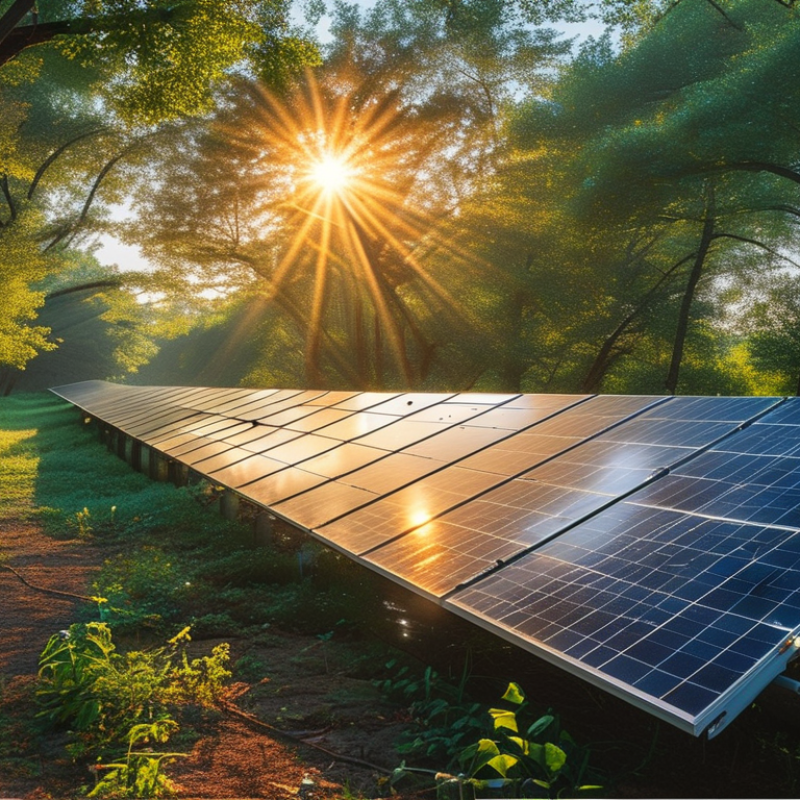
Understanding Solar Lighting: Principles and Limitations of Brightness
Understanding solar lighting involves recognizing its principles and limitations. Solar lights rely on photovoltaic cells to convert sunlight into electricity. This process is efficient during sunny days. However, cloud cover or seasonal changes can drastically reduce brightness. Many users expect high performance regardless of these factors, leading to disappointment.
Tips: To optimize brightness, place solar panels in direct sunlight. Clear away any obstructions like leaves or dirt that block sunlight. Regular maintenance can enhance performance.
Additionally, the quality of the materials used in solar lights matters. The battery capacity and type directly affect how long the lights remain lit at night. Sometimes, a low-quality battery will lead to dim lights. Reflect on your solar light's specifications to ensure they meet your needs.
Tips: Consider upgrading to higher-capacity batteries if necessary. Explore options with built-in motion sensors to conserve energy during non-peak times. These small changes can lead to a noticeable improvement in brightness.
Assessing Solar Panel Efficiency: Optimizing Light Conversion Rates
When it comes to optimizing solar lighting, assessing the efficiency of solar panels is essential. According to the National Renewable Energy Laboratory (NREL), typical solar panels convert only about 15-20% of sunlight into electricity. This figure highlights room for improvement in light conversion rates. Factors such as panel orientation, shading, and temperature significantly impact efficiency.
Many users overlook the importance of keeping solar panels clean. Dust and debris can reduce energy conversion by up to 25%, according to industry reports. Regular maintenance can help maintain optimal conditions. Additionally, investing in better panels can yield returns over their lifetime. Newer technology promises higher efficiency, sometimes exceeding 22%. However, these options may come with higher initial costs.
Understanding the solar environment is also crucial. Different geographical areas receive varying sunlight levels. For instance, places with more cloud cover may experience lower energy conversion rates. Evaluating your local conditions will help tailor your solar setup for maximum effectiveness. Engaging with local solar experts can provide insights into site-specific improvements. This balance of personal knowledge and professional guidance can transform weak solar lighting into a dependable energy source.
Solar Panel Efficiency and Light Conversion Rates
Enhancing Lumens Output: Techniques to Boost Solar Light Brightness
To enhance the lumens output of solar lighting, understanding the pivotal factors is essential.
Solar lights often struggle with brightness due to inadequate battery capacity.
An industry report from the Solar Energy Industries Association indicates that a battery capacity
below 2000mAh can lead to underwhelming performance. Upgrading to a higher capacity battery can
significantly improve brightness and efficiency.
Another critical aspect is the quality of the solar panel. Selecting panels with an efficiency
rating above 20% can maximize sunlight absorption. Research shows that higher-quality panels
generate more energy during shorter daylight hours. Regular maintenance also plays a vital role
in performance. Dust and debris can decrease panel efficiency by up to 25%. A simple midday
cleaning can vastly improve energy capture, directly impacting light output.
Lastly, it's important to consider the design and placement of solar lights. Positioning lights
in locations that receive ample sunlight, especially during peak hours, can enhance their brightness.
However, many homeowners often overlook this. According to recent surveys, nearly 40% of users
reported unsatisfactory brightness due to poor placement. Adjusting the installation site can lead
to notable improvements in lumens output.
Battery Capacity and Its Impact on Solar Light Performance
Battery capacity plays a crucial role in the performance of solar lighting. Insufficient power can lead to dim lighting. A weak battery may not store enough energy from sunlight, which is essential for bright illumination. Solar lights often depend on rechargeable batteries that can degrade over time. This degradation affects light output, especially at night.
To improve brightness, consider the battery's size and capacity. Larger batteries can store more energy, providing longer illumination. However, it is essential to match the battery capacity with the solar panel output. A mismatch can result in either underperformance or overcharging, which damages the battery. Regular maintenance and timely replacements can enhance overall performance.
Inadequate sunlight exposure is another factor. Limited sunlight reduces the energy stored by the battery. For optimal performance, ensure your solar lights receive direct sunlight throughout the day. Adjust their positioning if necessary. Regularly check the batteries for signs of wear. Addressing these issues can prevent frustration with weak solar lighting.
Maintenance Best Practices: Ensuring Long-Term Efficiency in Solar Lighting
Maintaining solar lighting systems is crucial for long-term efficiency. Regular care can enhance brightness and ensure optimal performance. According to industry reports, neglected solar lights can lose up to 30% of their efficiency in just a year due to dirt and debris buildup. It’s essential to clean the solar panels frequently. Dirt can block sunlight, reducing power generation.
Tip: Use a soft cloth and mild soap to clean the panels. Avoid harsh chemicals that might cause damage. Inspect and replace any damaged or corroded parts promptly. Check battery levels; inefficient batteries can hinder performance. A study by the National Renewable Energy Laboratory indicated that replacing batteries every three to five years can dramatically improve output.
Another area to monitor is the placement of your solar lights. Ensure they are positioned in sunny spots, ideally south-facing, to maximize exposure. Trees or buildings can cast shadows, limiting effectiveness. Shades on panels can lead to a drop in performance by 20% or more, as noted in recent findings by solar energy experts. Reflecting on these details can help users maintain their systems effectively, ensuring sustainable energy use.
FAQS
: Upgrade to a higher capacity battery for better performance.
Choose panels with an efficiency rating above 20% to maximize sunlight absorption.
Clean them regularly to avoid dirt buildup, which can reduce efficiency by up to 25%.
Use a soft cloth and mild soap. Avoid harsh chemicals that may cause damage.
Position lights in sunny areas, ideally south-facing, to maximize exposure and brightness.
Consider replacing batteries every three to five years to maintain optimal output.
Yes, dirt can block sunlight and reduce power generation, impacting brightness.
Many overlook proper placement, leading to unsatisfactory brightness levels.
Shadows from trees or buildings can reduce effectiveness by 20% or more.
Yes, neglect can cause efficiency losses of up to 30% within a year.
Conclusion
In the pursuit of "how to fix weak solar lighting," it is essential to first understand the principles and limitations of solar light brightness. Factors such as the efficiency of solar panels play a pivotal role in optimizing the conversion of sunlight into usable light. Techniques to enhance lumens output can include adjusting the positioning of solar fixtures and upgrading to more effective LED components.
Moreover, battery capacity significantly impacts the overall performance of solar lights, as insufficient power storage can lead to dim lighting. Regular maintenance is crucial to ensure long-term efficiency, including cleaning panels and checking connections to prevent performance degradation. By addressing these key areas, one can significantly improve the brightness and effectiveness of solar lighting solutions.

 Soluxa Light