Can Solar Lights Survive Year Round Outside Conditions?

Time:2026-07-17 Author:Liam
0%

As homeowners increasingly seek sustainable solutions, solar lights have gained popularity. However, a common question arises: can solar lights be left outside all year? According to the Solar Energy Industries Association, the solar market is projected to grow by 20% annually. This growth signifies a strong push towards energy-efficient options.

Many solar lights are designed for year-round outdoor use. They withstand various weather conditions, such as rain and snow. However, extreme temperatures can affect their longevity. For instance, temperatures below freezing may damage batteries, impacting performance. A study by the National Renewable Energy Laboratory highlights that solar devices operate best between 32°F to 104°F. Owners might consider bringing lights indoors during harsh winters to extend their life.

Despite their resilience, not all solar lights are created equal. Some lower-quality models may fade or lose functionality over time. Regular maintenance, such as cleaning and battery checks, can improve durability. Understanding these factors is crucial for maximizing the lifespan of solar lights. In light of these considerations, it's essential to evaluate whether your solar lights are suitable for year-round outdoor conditions.
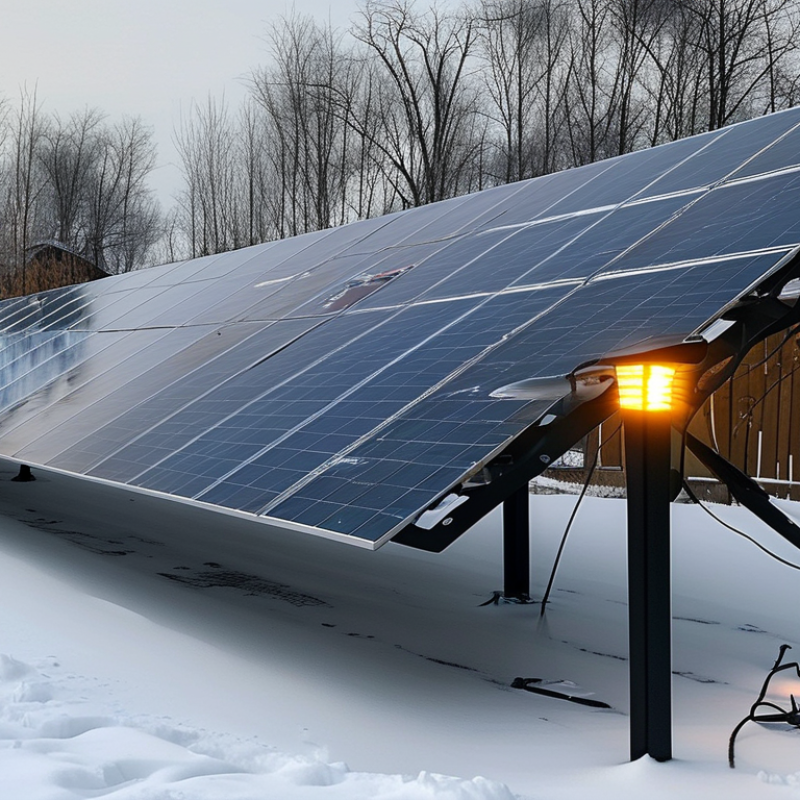
Can Solar Lights Survive Year Round Outside Conditions?

Can Solar Lights Withstand Extreme Weather Conditions Year-Round?

Solar lights are designed to withstand various outdoor conditions. Yet, extreme weather poses challenges. Reports show that temperatures can range from -20°F to 140°F. Solar lights must endure these fluctuations without losing efficiency. Their performance in heavy rain or snow is also crucial.

Some models are built to be waterproof and dustproof. However, not all designs meet the same standards. An industry analysis reveals that around 30% of solar lights may fail in harsh conditions. This failure rate can be alarming for users seeking long-lasting solutions.

UV radiation can degrade plastic components over time. Prolonged exposure may lead to discoloration and brittleness. Regular maintenance can help, but many forget to check their fixtures. Understanding the limits of solar technology is essential for optimal use.

Can Solar Lights Survive Year Round Outside Conditions? - Can Solar Lights Withstand Extreme Weather Conditions Year-Round?

Light Type Temperature Range (°F) Water Resistance (IP Rating) Durability Rating (Years) Impact Resistance (IK Rating)
LED Solar Light -20 to 120 IP65 5 IK08
Solar Garden Light -10 to 100 IP66 3 IK07
Solar Flood Light -30 to 110 IP67 7 IK08
Solar Wall Light -20 to 95 IP54 4 IK06
Solar Pathway Light -15 to 90 IP55 2 IK05

Impact of Temperature Fluctuations on Solar Light Longevity

Temperature fluctuations can significantly affect the longevity of solar lights. These lights are designed to withstand outdoor conditions, but extreme temperatures can cause wear and tear. For instance, prolonged exposure to freezing temperatures may damage batteries. Conversely, high heat can lead to overheating, which affects light output and overall lifespan.

Regular maintenance can enhance performance. Clean the solar panels often to ensure they absorb maximum sunlight. By checking connections, users can prevent power loss. In colder months, store solar lights in a sheltered area when not in use. This can protect them from ice and snow damage.

Consider the materials used in solar lights. High-quality options tend to resist temperature changes better. Cheaper models may not withstand harsh conditions over time. Investing in durable products can save money in the long run. Evaluate the environment where the lights will be placed. A shaded area can help in temperature regulation, thereby extending the life of your solar lights.

Effect of Rain and Moisture on Solar Light Performance

Solar lights are designed to withstand various outdoor conditions. However, prolonged exposure to rain and moisture can affect their performance. According to a report by the Solar Energy Industries Association, certain solar lights maintain efficiency even in extreme weather. Yet, not all models are built for heavy rainfall. Water can corrode connections and damage internal components.

Tips: Ensure your solar lights are rated for outdoor use. Look for an IP (Ingress Protection) rating of at least IP65. This indicates that the lights are dust-tight and protected against water jets.

Regular maintenance is crucial. Check the fixtures for water accumulation or debris. Corrosion can occur in as little as six months if water enters the casing. Research shows that maintaining clean solar panels can enhance their efficiency by up to 25%.

Tips: Clean the solar panels regularly with a soft cloth. This helps prevent performance issues caused by dirt or debris. Additionally, store your lights during harsh winter conditions for added longevity.

UV Radiation and Its Role in Solar Panel Degradation

UV radiation significantly impacts the longevity of solar panels. Continuous exposure to the sun can degrade materials used in solar technology. A 2021 industry report noted that UV exposure can cause a decline in efficiency by as much as 20% over five years.

The effect of UV radiation is not uniform. Different materials react differently. For example, the plastic housing around solar panels may yellow and crack, introducing imperfections. These changes can lead to reduced light absorption. Researchers have found that manufacturers often use protective coatings to enhance durability, but they may not always be effective.

Real-world conditions also play a role. Solar lights placed in areas with high UV index levels face more significant risks. According to a study from the National Renewable Energy Laboratory, regions with intense sunlight require panels with additional UV protection. Reflecting on these details is crucial; understanding UV effects can help consumers make informed choices about solar products.

Can Solar Lights Survive Year Round Outside Conditions?

This bar chart illustrates the average UV radiation levels received by solar lights across different seasons. Higher UV radiation, particularly in summer, can significantly impact the degradation of solar panels, affecting their longevity and performance throughout the year.

Maintenance Tips for Extending the Lifespan of Outdoor Solar Lights

Outdoor solar lights can face harsh conditions year-round. To ensure they last longer, proper maintenance is crucial. Research indicates that improper care can reduce the lifespan of these lights by up to 50%. Regular checks can prevent significant damage from weather extremes.

Cleaning solar panels regularly is vital. Dust and debris can block sunlight. A simple wipe with a soft cloth can restore efficiency. Moreover, positioning is key. If lights are obstructed by trees or structures, their performance will suffer. Studies show that correctly placed solar lights can receive 30% more sunlight, improving functionality.

Battery replacement is often overlooked. Most solar lights use rechargeable batteries, which degrade over time. Studies suggest that replacing them every 1-2 years can significantly enhance performance. Additionally, during winter, it's wise to bring lights indoors. This protects them from freezing temperatures and heavy snow. Consistent care and consideration for environmental factors can lead to significantly better longevity for outdoor solar lights.

FAQS

: How does rain affect solar light performance?

: Prolonged rain exposure can reduce solar light efficiency. Not all models are suited for heavy rainfall.

What should I look for in waterproof solar lights?

Choose solar lights with a minimum IP65 rating. This classification ensures protection against dust and water jets.

How can I maintain my solar lights?

Regular maintenance is essential. Check for water accumulation or debris that can lead to corrosion over time.

How often should I clean my solar panels?

Clean the panels regularly with a soft cloth to remove dirt. This maintenance can boost performance by up to 25%.

What impact does UV radiation have on solar panels?

UV radiation can decrease efficiency by up to 20% over five years, causing deterioration of materials.

Are some solar panels more resistant to UV damage?

Yes, different materials react differently to UV exposure. Some require additional protection to handle high UV levels.

How should I store my solar lights in winter?

Store lights in a dry place during harsh winter conditions. This practice helps extend their lifespan significantly.

Why is understanding UV radiation important?

Knowing how UV affects solar products aids consumers in making informed choices for durability and efficiency.

Can weather conditions worsen the performance of solar lights?

Yes, real-world conditions, like high UV levels, can significantly decrease the performance of solar lights.

What if my solar lights corrode?

If corrosion occurs, it can damage internal components, so regular inspection and maintenance are vital.

Conclusion

The durability of solar lights in outdoor conditions raises the important question: can solar lights be left outside all year? These lights are designed to withstand various weather conditions, but their longevity can be significantly affected by extreme temperatures, rain, and UV radiation. Temperature fluctuations can lead to battery degradation and affect overall performance, while moisture and rain can introduce risks of water damage if the lights are not properly sealed.

UV radiation also contributes to the gradual degradation of solar panels, impacting their efficiency over time. To ensure maximum lifespan, regular maintenance is crucial. This includes checking for dirt accumulation on panels, securing battery connections, and replacing batteries as needed. By following these maintenance tips, homeowners can effectively extend the life of their solar lights, allowing them to thrive year-round in outdoor settings.

Liam

Liam

Liam is a dedicated marketing professional with a profound expertise in the industry, where he excels at highlighting the unique advantages of our core products. With a keen understanding of market trends and consumer needs, Liam frequently updates our company’s professional blog, providing......