Solar garden lights enhance outdoor spaces. They provide beauty and functionality. However, keeping them clean is essential for optimal performance. Many users are unsure how to clean solar garden lights effectively.
Over time, dirt and grime build up on the solar panels. This can block sunlight and reduce light output. Regular maintenance helps avoid this issue. It ensures your lights shine brightly throughout the night.
Understanding how to clean solar garden lights is crucial. It can prolong the lifespan of these fixtures. Simple methods can yield impressive results. Cleaning might seem daunting, but it's achievable. Let’s explore practical steps to maintain their efficiency and appearance.
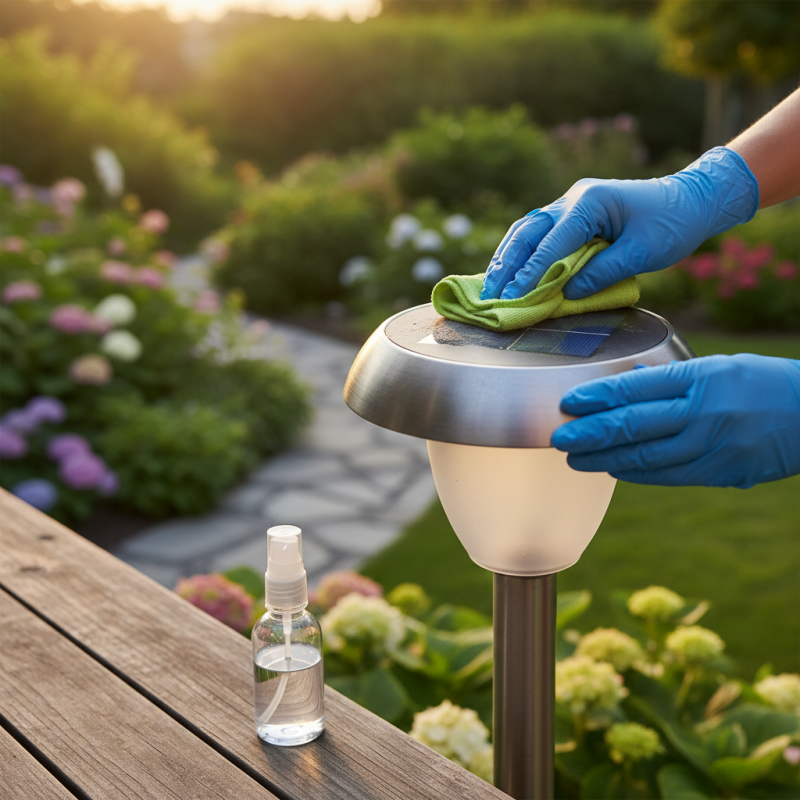
Solar garden lights are not just decorative additions to your outdoor space. They are powered by solar panels that convert sunlight into energy. Understanding their components helps in maximizing efficiency. Most solar lights feature a solar panel, rechargeable batteries, LED bulbs, and sensors. Each part works together to ensure they light up when darkness falls.
Over time, dirt and grime can accumulate on the solar panels. This reduces their ability to charge efficiently. Regularly cleaning the panels is essential. A soft cloth with mild soap can help. Avoid harsh chemicals that may damage the surface. Additionally, ensure the batteries are functioning well. Weak batteries can lead to dim lights and affect overall performance.
Sometimes, lights may not illuminate adequately despite cleaning. This could indicate a failing LED bulb or a faulty sensor. Regular testing is useful for spotting these issues. A simple check can save you from unexpected replacements later. Keeping a close eye on your solar garden lights can enhance their longevity and effectiveness, providing you with beautiful illumination all night long.
Cleaning your solar garden lights doesn't have to be a daunting task. To start, gather the right cleaning supplies and tools. You'll need a soft cloth or sponge, a gentle dish soap, and a bucket of water. A small brush can help with stubborn dirt. Make sure to have a pair of gloves on hand, especially if you're sensitive to cleaners.
Next, pay attention to the type of dirt on your lights. Dust, grime, or mold might need different cleaning techniques. For light dust, a soft cloth and a quick wipe should suffice. If moss has grown, a brush with soft bristles can help. Be careful not to scratch the surface of the light. If the lights are really dirty, a mix of soap and water can do wonders. However, avoid harsh chemicals; they may damage the materials.
After cleaning, ensure all parts are completely dry before reassembling. This step is crucial to prevent any water damage or corrosion. Remember, the goal is a clear solar panel that allows sunlight to recharge effectively. Reflecting on your cleaning routine can lead to better maintenance habits. It's easy to overlook cleaning until performance declines. A little effort now can enhance the longevity of your lights.
Cleaning solar panels is crucial for maintaining optimal performance in garden lights. Dust, dirt, and bird droppings can hinder energy absorption. According to industry reports, dirty panels can reduce efficiency by up to 25%. Thus, regular cleaning is essential for achieving maximum brightness and longevity.
Begin by assessing the panels. Look for visible dirt or debris. Use a soft cloth or sponge with mild soap. Avoid abrasive materials; they can scratch the surface. A simple solution of water and vinegar is also effective. Gently wipe the panels to remove grime without damaging them. Ensure you clean during cool times of the day to prevent streaks from drying too quickly.
After cleaning, evaluate the effectiveness. If lights don't shine as brightly as expected, consider potential issues beyond cleanliness. Sometimes internal components wear out. Regular maintenance checks can prevent long-term problems. Tracking performance post-cleaning can offer valuable insights. Gather data on illumination and check for any irregularities. This reflective approach can enhance your understanding of solar technology.
Cleaning solar garden lights is essential for their performance. Over time, dust and debris can accumulate on both light fixtures and stakes. Regular cleaning ensures that the solar panels receive adequate sunlight. This directly affects the light output and duration of the illumination at night.
Start by removing any dirt or grime from the solar panels with a soft cloth. Make sure to avoid any harsh cleaners that might damage the surface. For the light fixtures, a gentle soap solution can work wonders. Wipe them down and rinse thoroughly. Pay attention to crevices where dirt can hide. Some fixtures may require disassembly for a more thorough clean, so follow the manufacturer’s guidelines if available.
Don’t forget the stakes that hold the solar lights. They can also collect grime and rust over time. Check for any signs of deterioration or rust and clean accordingly. You might notice that certain areas need more attention than others. Reflecting on these details can lead to better maintenance practices in the future. Keeping everything in good condition not only improves aesthetics but also enhances the longevity and functionality of your solar garden lights.
Cleaning solar garden lights is essential for their performance. Regular maintenance maximizes their efficiency and ensures longevity. Over time, dust, dirt, and grime accumulate, affecting how well they work. Here are some helpful tips for keeping your lights in top condition.
Consider cleaning your solar lights every month. Use a soft cloth or sponge with mild soap and water to wipe the surfaces. Be gentle. Scratches might happen if you’re too rough. Pay attention to the solar panel. Keeping it clean allows for better sunlight absorption. A dirty panel results in dim lights.
Examine the battery and connections periodically. Sometimes, corrosion can occur, impacting performance. Clean connections with a bit of vinegar on a cotton swab. This method is effective but takes caution. After cleaning, ensure everything is tightly reassembled. Loose parts can lead to malfunction. Regular checks prevent bigger issues in the future.
: Cleaning solar panels boosts energy absorption. Dust and bird droppings can cut efficiency by up to 25%.
Use a soft cloth or sponge with mild soap. Water and vinegar can also effectively remove grime.
Clean during cool times of the day. This helps prevent streaks from drying too quickly.
Aim for monthly cleaning to maintain performance. Consistent upkeep prevents dirt buildup.
Check for internal component issues. Regular maintenance can address underlying problems too.
Yes, avoid abrasive materials. They can scratch and damage the surface of the solar panels.
Regular checks of the battery and connections help. Dirt and corrosion can severely affect performance.
Pay attention to crevices and stakes. They often collect more dirt and rust over time.
Loose parts can lead to malfunction. Ensure everything is tightly secured after cleaning.
Reflecting on cleaning details gives insights for future maintenance. It's easy to overlook consistency in practices.
Cleaning solar garden lights is essential for ensuring their optimal performance and longevity. To effectively engage in this process, one must first understand the components of solar garden lights, including the solar panels, light fixtures, and stakes. Gathering the necessary cleaning supplies, such as a soft cloth, mild detergent, and water, sets the stage for a thorough cleaning.
The step-by-step cleaning process involves gently wiping the solar panels to remove dirt and debris, which can hinder sunlight absorption. It’s important to also clean the light fixtures and stakes to maintain their functionality and aesthetic appeal. Regular maintenance, including periodic checks for obstructions and dirt, can enhance the performance of solar garden lights significantly. By following these guidelines on how to clean solar garden lights, you can ensure they shine brightly and efficiently throughout the seasons.

Soluxa Light