Solar lights are increasingly popular for outdoor use. However, a common question arises: can solar lights charge indoors? According to a report from the Solar Energy Industries Association, more households are adopting solar technology. Over 3 million homes in the U.S. have solar energy systems. Despite this growth, functionality in different environments remains a topic for exploration.
Indoor charging of solar lights presents unique challenges. Traditional solar panels rely on direct sunlight to convert energy effectively. A study from the National Renewable Energy Laboratory indicates that indoor light conditions may produce significantly less energy than outdoor settings. The efficiency rate can drop by 50% or more under artificial lighting. This impacts the overall performance of solar lights when used inside.
Moreover, factors like the type of indoor light and duration of exposure play crucial roles. Some users report mixed experiences. They find that, while solar lights can charge indoors, the results are inconsistent. Many consumers find themselves questioning whether the investment is worthwhile. It is essential to weigh the pros and cons carefully when considering whether solar lights can charge indoors effectively.
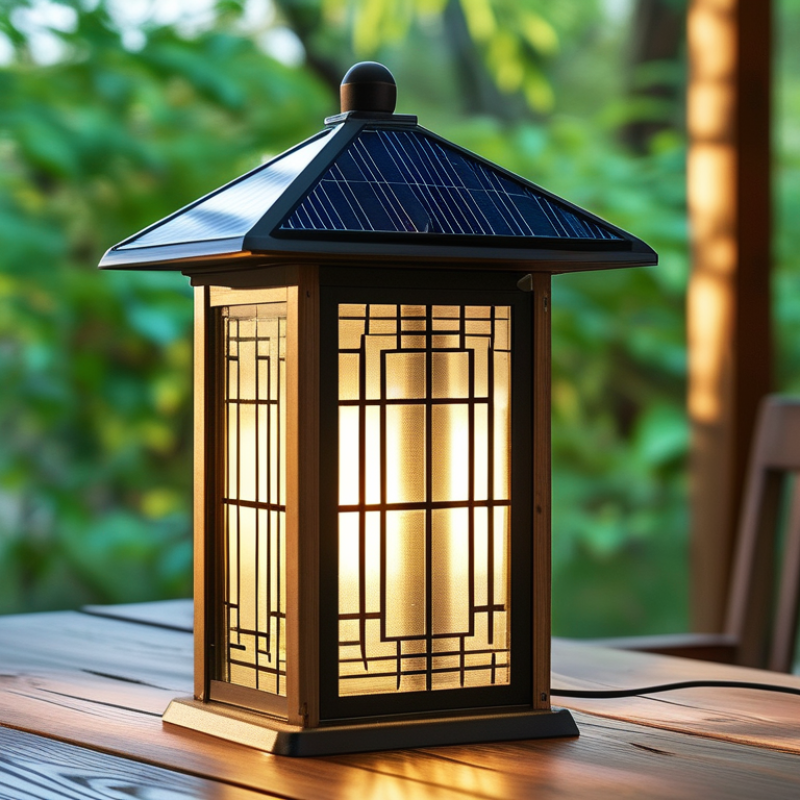
Factors Affecting Solar Light Charging Indoors
When considering solar lights indoors, several factors play a crucial role in charging effectiveness. The most significant factor is light exposure. Solar panels need direct sunlight to generate optimal power. Artificial lights often fall short in mimicking sunlight. A bright, sunny window might not be enough if it's obstructed by plants or furniture. Semi-dark corners are less ideal for solar charging.
Temperature also affects solar efficiency. Solar panels typically operate best at cooler temperatures. High heat can reduce their effectiveness. If your charging space gets too warm, performance may decline. Additionally, the angle of the solar panel is essential. Panels should generally face sunlight directly to capture maximum energy.
Tips: Place solar lights near windows for better sun exposure. Consider relocating them seasonally, as the sun's position changes. Monitor the temperature in your indoor space. If it rises significantly, consider shading your lights slightly for better performance. Assessing these factors can lead to better use of solar lighting indoors, enhancing their utility and lifespan.
Types of Solar Panels Suitable for Indoor Charging
Indoor solar charging can be a practical solution for home lighting. However, not all solar panels are effective in indoor settings. Certain types of solar panels perform better than others in low-light conditions, which are common indoors.
Monocrystalline panels are renowned for their efficiency. They can convert sunlight into energy even in low light. This makes them suitable for indoor use. Polycrystalline panels are another option. They tend to be less efficient but can still work in rooms with good window exposure. Thin-film solar panels are lightweight and flexible. However, they usually have lower efficiency rates compared to the crystalline variants.
It's important to consider the positioning of solar panels indoors. Direct sunlight exposure enhances efficiency, but not all spaces have that advantage. Some might find it challenging to place panels effectively. Additionally, the aesthetics of indoor space may limit panel placement. Balancing function and design becomes essential. While indoor solar power is promising, its effectiveness can vary widely. Thoughtful planning is key for optimal results.
Can Solar Lights Charge Indoors Effectively?
This chart illustrates the charging efficiency of various types of solar panels when used indoors. Type A panels show the highest efficiency, making them suitable for indoor solar light charging, while Type D panels show relatively low efficiency.
Optimal Conditions for Indoor Use of Solar Lights
Indoor solar lights can be a versatile option for enhancing home ambiance. However, the effectiveness of charging indoors depends on several factors. Direct sunlight is essential for optimal performance. A study indicates that solar panels can achieve up to 20% efficiency under ideal conditions. This means a significant drop in efficacy occurs with reduced sunlight exposure.
To maximize efficiency indoors, placement is key. Solar lights should be positioned near a window that receives ample sunlight. Clear glass can help boost light penetration. Dust buildup on solar panels can also hinder efficiency. Regular cleaning is necessary to maintain optimal performance. A 2021 report noted that neglecting maintenance could reduce light output by as much as 50%.
While indoor use of solar lights presents challenges, creative solutions can improve functionality. Utilizing reflective surfaces can help maximize light exposure. However, in lower-light conditions, results may not meet expectations. Users should consider investing in higher-quality solar technology for better performance. Exploring different indoor setups may yield varying results. Each environment offers unique light challenges, requiring ongoing adaptation.
Comparing Indoor Solar Charging with Outdoor Charging
Indoor solar charging is an intriguing topic. Many people wonder if solar lights can perform effectively when charged indoors. While solar panels rely on sunlight, indoor environments often lack sufficient light intensity. A study by the National Renewable Energy Laboratory indicates that solar panels need direct sunlight for optimal efficiency, typically around 1000 watts per square meter.
When comparing indoor and outdoor charging, outdoor environments generally yield better results. Direct sunlight enables solar panels to work at peak performance. In contrast, indoor light sources often emit lower lumens. According to industry data, light from LED bulbs can be significantly less effective than sunlight. Experts suggest using solar lights designed for indoor use.
However, even those lights may struggle to charge efficiently. The misconception that any light source can help is prevalent. Many consumers may find indoor charging results disappointing. A report from the Solar Energy Industries Association highlights that solar energy primarily thrives in well-lit, outdoor settings. For those pursuing sustainable energy solutions indoors, further research is essential to understand the limitations and potential of indoor solar charging.
Practical Applications of Indoor Solar Lighting Solutions
Indoor solar lights offer a unique solution for various spaces. By utilizing sunlight, they can enhance rooms without relying on conventional electricity. These lights work well in areas with good sunlight exposure, such as near windows. However, the efficiency of solar charging indoors can vary significantly.
One practical application is in remote locations. Solar lights can illuminate cabins, garages, or even attics. Users may face challenges with minimal direct sunlight. In such cases, consider using lights with larger solar panels. The right positioning is crucial.
**Tip:** Ensure solar panels are facing direct sunlight for maximum charge. Regularly clean the panels to enhance performance.
Another application is decoration. Indoor solar lights can beautifully enhance mood, creating a cozy atmosphere. However, too little exposure can lead to dim lighting. Reflect on where you place them.
**Tip:** Experiment with different locations to find optimal sunlight access. This may require some trial and error. Finding the right balance can take time but is rewarding.
FAQS
: Monocrystalline panels are ideal for indoor conditions due to their efficiency in low light.
Polycrystalline panels are less efficient but can still work well in rooms with good window exposure.
Thin-film panels are lightweight and flexible, but they typically have lower efficiency rates than crystalline ones.
Direct sunlight exposure enhances efficiency dramatically, while reduced exposure decreases performance significantly.
Regular cleaning is vital, as dust can reduce efficiency by up to 50% if not addressed.
Yes, but their performance heavily depends on adequate sunlight and proper placement near windows.
Positioning near windows and using reflective surfaces can improve light exposure and performance.
Indoor light sources usually provide lower intensity than sunlight, leading to less effective charging.
Many people think any light source works for charging, but this is often not true.
Understanding constraints and ensuring thoughtful setup are crucial to optimize indoor solar efficiency.
Conclusion
The question "can solar lights charge indoors" often arises when considering the effectiveness of solar lighting solutions. Several factors contribute to the efficiency of indoor solar charging, including the type of solar panel used and the availability of adequate light sources. Not all solar panels perform well in indoor settings; therefore, selecting the appropriate type is crucial for optimal performance. Additionally, conditions such as light intensity and duration significantly influence charging capabilities.
Indoor solar lighting has its unique advantages and applications compared to outdoor setups. While outdoor systems typically benefit from direct sunlight, indoor systems require careful planning to ensure sufficient energy absorption. By understanding the factors that impact indoor solar charging, users can effectively utilize solar lights within their homes or offices, enhancing sustainability and reducing reliance on traditional energy sources.

 Soluxa Light